

Advertisement

- Updated on April 17, 2026
- IST 7:34 am

Imagine this: It’s mid-2023, and Jasprit Bumrah is lying on a hospital bed in Mumbai after back surgery, staring at the ceiling with quiet despair. The lower-back stress fracture had sidelined him for over a year. Critics whispered “career over” for the 29-year-old who once terrorized batsmen with those unplayable yorkers. No T20 World Cup in Australia. No spotlight. Just endless rehab sessions, ice packs, and the fear that his slingy action—the very gift that made him special—might have broken him permanently. “A year ago, people said my career is over,” he later reflected. Friends and family watched the silent warrior question everything, yet he never complained. He simply got back to work, one painful step at a time.
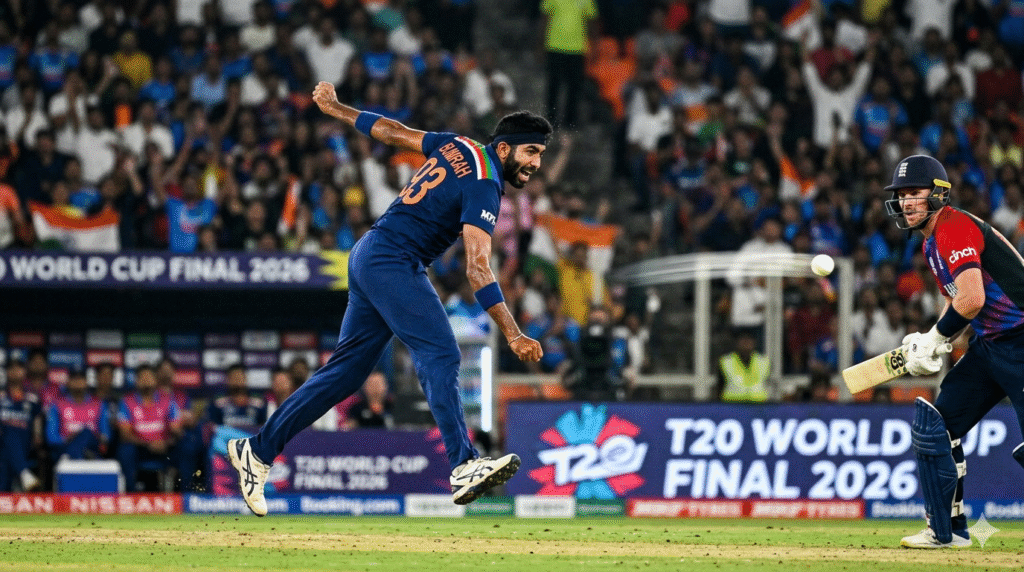
Now, picture the same man on March 9, 2026, at Narendra Modi Stadium in Ahmedabad. Floodlights blazing, 1.4 billion hearts pounding. India has just defended 255 and crushed New Zealand by a massive margin to reclaim the T20 World Cup. Jasprit Bumrah, with a match-winning 4/15 in the final, is named Player of the Match. Captain Suryakumar Yadav pulls him close at the presentation and declares, “Bumrah is a once-in-a-generation bowler. I can call him a national treasure. He knows how it needs to be done—he is the best in the business.” The crowd erupts as Bumrah, calm as ever, lifts the trophy. The boy who practiced against a wall in a modest Ahmedabad home is now India’s most priceless cricketing asset.
So, what’s the truth? How does a lanky kid with no formal coaching and a quirky action become the match-winner who doesn’t just take wickets—he wins tournaments? With fast bowling in India historically dominated by seam and swing, can Bumrah’s unorthodox style really be the blueprint for future heroes? In this blog, we’ll unpack the risks, the rewards, the real-life battles of injuries and comebacks, and the mindset that turned him into a national treasure. Plus, we’ll share practical lessons rooted in desi grit and discipline that every young Indian dreamer can use. Let’s dive in and figure this out together!
Understanding Bumrah: From Wall Practice to World-Beater
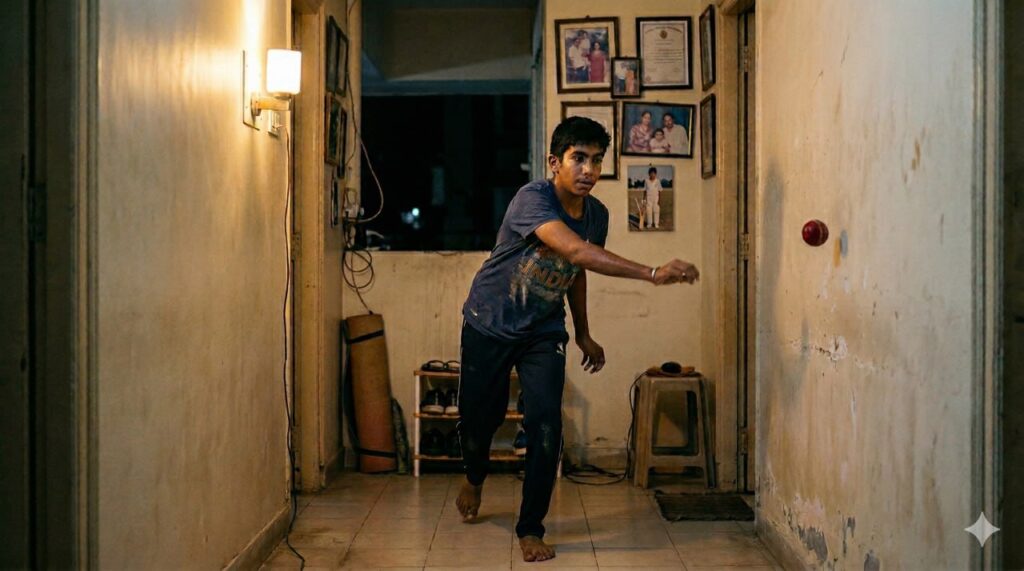
First, let’s get the basics down. Jasprit Jasbirsingh Bumrah, born on December 6, 1993, in Ahmedabad, Gujarat, wasn’t groomed in elite academies like many stars. His father passed away when he was just five, leaving his mother, Daljit Kaur, a school teacher, to raise him and his sister alone. Money was tight, but discipline wasn’t. Young Jasprit discovered cricket on the streets and maidans, playing with a tennis ball. No fancy gear—just raw passion. He’d sneak into the hallway at home and bowl against the wall late at night, trying not to wake his mother. That unusual, sling-arm action? It wasn’t coached. It evolved naturally from hours of solitary practice.
Think of it like a seesaw that’s perfectly balanced: talent on one side, unbreakable work ethic on the other. Bumrah made his first-class debut for Gujarat in 2013, impressed in the Ranji Trophy, and earned an IPL contract with Mumbai Indians the same year. India call-up came in 2016 against Sri Lanka. But it wasn’t overnight stardom. Early struggles included fitness doubts and adapting to international pressure. Yet by 2019, he was dismantling line-ups in World Cup matches. His numbers speak volumes: over 150 T20I wickets at an economy under 7, multiple Player of the Series awards, and the ability to bowl in death overs like no one else.
For millions of Indian fans, Bumrah represents hope—the underdog who proves that you don’t need a textbook action or privileged background to conquer the world.
Bumrah's Unique Style Explained: Timing, Yorkers, and Mental Magic
Unlike typical fast bowlers who rely on long run-ups and flashy releases, Jasprit Bumrah is all about precision and surprise. It’s like setting a trap rather than charging with a sword. His bowling action is minimal: a short, almost invisible run-up that hides the ball until the last moment, followed by that high-arm sling that generates awkward bounce and late swing.
Here are the popular weapons in his arsenal:
- The Yorker: Toe-crushing, unplayable at the death. Repetition is his secret—thousands of deliveries drilled in nets until it becomes muscle memory.
- The Slower Ball: Deceptive dip that foxes even the best hitters.
- The Bouncer: Sharp, rising delivery that surprises on any surface.
The pitch? This style gives India an edge in powerplays and death overs, conserving energy while maximizing impact. For the average bowler, it’s just pace. For Bumrah, it’s a mental chess game—he reads batsmen like an open book. But with a body that’s faced multiple stress fractures, does this unique mechanics sync perfectly with longevity—or invite more injuries? Let’s explore.
The Big Debate: Genius or Risky Asset?
Here’s where it gets juicy—experts, former players, and fans don’t always agree. Let’s break it down.
The Pros: Why Bumrah Redefines Fast Bowling
- Match-Winning Impact: In high-stakes games, he delivers. That 4/15 in the 2026 final? Just another chapter. He’s taken key wickets in every ICC event India has won recently.
- Mental Toughness: Calm under fire. No sledging, no drama—just focus. Studies on elite athletes show this mindset reduces errors in pressure situations.
- Inspiration for Youth: His story proves unconventional paths work. From wall practice to world dominance, he’s mentoring young pacers in the Indian setup.
Take the 2024-2025 comeback phase: Post-injury, Bumrah returned stronger, scalping 15 wickets in just 8 T20Is with an economy of 4.18. “He knows what needs to be done,” Suryakumar said. Teammates call him the “cheat code.”
The Cons: Where the Body and Pressure Push Back
- Injury Vulnerability: The sling action puts extra stress on the back and shoulders. Multiple layoffs (2022-2023) raised questions about workload management.
- Team Dependence: When Bumrah is rested or injured, India’s bowling sometimes looks ordinary. Critics argue over-reliance can hurt depth.
- Adaptation Challenges: Early career saw questions on subcontinent pitches where swing is less. Longevity remains a debate.
Bumrah himself admitted in interviews that the injury phase tested his belief: “People said my career is over… now the question has changed.” He learned the hard way that rest and smart training are non-negotiable.
The Indian Twist: Fast Bowling Meets Desi Dreams
Fast bowling isn’t new to us Indians—it’s a legacy from Kapil Dev to Zaheer Khan. But in cricket-mad Gujarat, where maidans buzz from dawn to dusk, Bumrah’s rise feels personal. Our culture celebrates grit: think of the discipline in gurukuls or the sacrifices of middle-class families. From Navratri dandiya breaks for practice to Diwali fireworks echoing stadium roars, Bumrah embodies that “chalta hai but main nahi rukunga” spirit.
Everyday diets and routines? Rotis, dal, and home-cooked meals kept him grounded. No fancy supplements early on—just mother’s simple meals and street cricket. Can this desi framework produce more Bumrahs? Absolutely—if we nurture unconventional talent instead of forcing cookie-cutter styles.
Real Stories: Triumphs, Setbacks, and Shared Glory
Let’s hear from the people who’ve lived it.
- Rohit Sharma (former captain): “Bumrah is a national treasure. When he bowls, the whole team breathes easy.” Rohit saw him evolve from rookie to leader during the 2024 comeback.
- A 19-year-old aspiring pacer from Ahmedabad, Arjun: Inspired by local hero stories, he copied the wall practice routine. After a knee injury, he used Bumrah’s rehab videos and returned stronger, now playing district cricket. “If Bumrah bhai can do it after surgery, so can I,” he beams.
- Virat Kohli (teammate and fan): Once called him a “national treasure” publicly. Their bond shows how senior pros lift each other.
These tales prove one thing: Bumrah isn’t just a bowler—he’s a symbol. Success isn’t linear; it’s about rising stronger.

Mindset Mantras for Aspiring Cricketers: Lessons from the National Treasure
Thinking of chasing your own cricket dreams? Here’s how to channel Bumrah’s blueprint safely:
- Start Small, Stay Consistent: Like wall practice—focus on daily reps over flashy sessions.
- Embrace Your Uniqueness: Don’t copy others. Refine what comes naturally.
- Prioritize Recovery: Yoga, ice baths, and rest days prevented further breakdowns.
- Stay Humble and Hungry: No ego. Mentor juniors and learn from every spell.
- Visualize Pressure Wins: Mental rehearsal turned death overs into routine.
- Seek Guidance: From coaches to family—Bumrah credits his mother’s discipline.
These aren’t just cricket tips—they apply to exams, startups, or any tough Indian middle-class journey.

Desi Training Hacks: Fueling a Champion the Indian Way
What you do off the field makes or breaks performance. Here’s a Bumrah-inspired routine for young players:
- Morning Drill (Breaking the Routine): Shadow bowling or net sessions with focus on yorkers—30 minutes of pure repetition.
- Strength Session: Bodyweight exercises like squats, planks, and core work using household items. Pair with desi protein: paneer, dal, and nuts.
- Snack Boost: Roasted chana or a banana with almonds—keeps energy steady without junk.
- Evening Wind-Down: Light yoga or a walk. Add tulsi tea for calm—Bumrah’s quiet focus secret.
- Weekly Reset: One full rest day with family meals. No screens—just reflection.
Steer clear of over-training or skipping warm-ups. Nourish the body and mind—don’t punish them.
Wrapping It Up: Treasure the Process, Not Just the Trophies
So, does Jasprit Bumrah’s journey make him India’s greatest fast bowler and true national treasure? It’s not black-and-white. For some, his yorkers and calm are game-changers that lift entire teams. For others, the injury scares remind us fast bowling demands respect. The difference lies in how you build it—smartly, persistently, and with desi heart.
If Bumrah’s story tempts you to pick up a ball, dip your toes in. Start with small dreams, watch your body’s signals, and lean on mentors. Cricket, like life in India, is a marathon. You’re tougher than any setback. What’s your take? Faced your own “injury” moment and bounced back? Drop your story below—let’s swap notes and inspire the next generation of treasures!
Stay inspired, keep bowling those yorkers in life, and play with heart. Har Har Mahadev on the field!
You May Like This
1



Advertisement

You May Like This








Advertisement
Advertisement
Advertisement