
Advertisement
- Updated on April 17, 2026
- IST 8:04 am
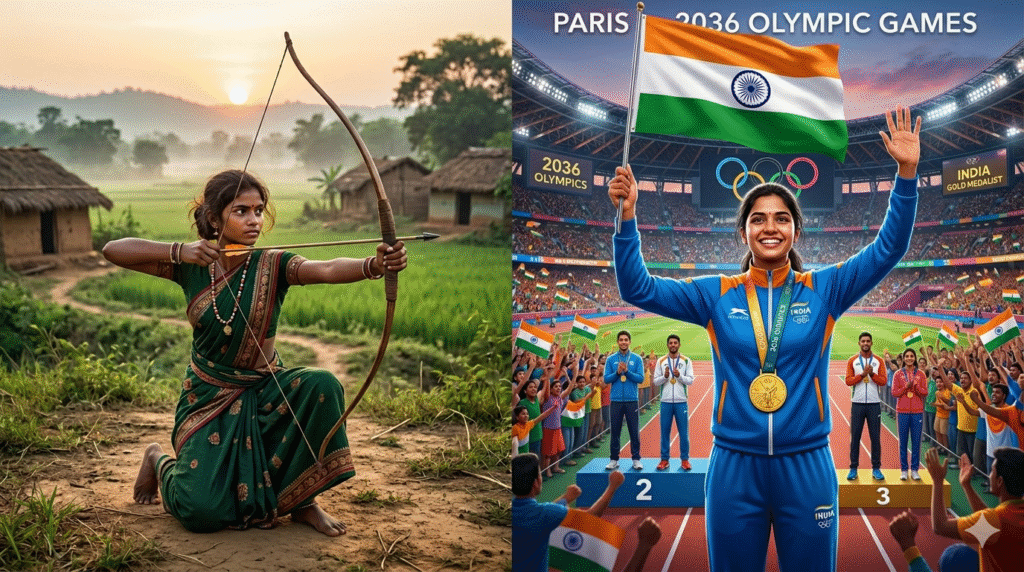
Imagine this: Priya, a 17-year-old from a quiet tribal hamlet in Chhattisgarh’s Bastar hills, grew up chasing goats through muddy fields. One lazy afternoon during a village fair, she picked up a makeshift bow and arrow—just for fun. Her shots flew true, drawing cheers from elders who remembered old hunting tales. No coach, no gym, no spotlight. Fast-forward to March 2026, and Priya is in Raipur, bowstring taut at the inaugural Khelo India Tribal Games. She’s not just competing—she’s winning medals and catching the eye of national selectors. “This bow feels different now,” she tells her coach later, eyes shining. “It’s carrying my whole village’s dreams.”
Now picture Arjun, a 22-year-old runner from the same region a decade earlier. Blazing speed on dirt tracks, but no trials, no funding, no platform. He hung up his spikes after school, took up daily-wage work, and watched his talent fade. “Sports was a luxury we couldn’t afford,” he says today while coaching neighborhood kids on weekends. Two young Indians, same soil, different eras. The difference? Grassroots events like the Khelo India Tribal Games.
So, what’s the real story behind India’s 2036 Olympic dream and the push to become one of the top 5 sporting nations by 2047? Union Sports Minister Mansukh Mandaviya has made it crystal clear: these ambitions aren’t slogans—they’re a roadmap. And events like the Khelo India Tribal Games, happening right now in Chhattisgarh from March 25 to April 3, 2026, are the quiet foundation stones turning potential into podiums. In this blog, we’ll dive deep into the vision, the ground-level magic, the wins and the hurdles, and how every Indian—from villages to cities—can be part of this journey. Let’s explore together how we’re building champions of tomorrow, one tribal talent at a time.
Understanding India’s Olympic Vision: The Road to 2036 and Beyond
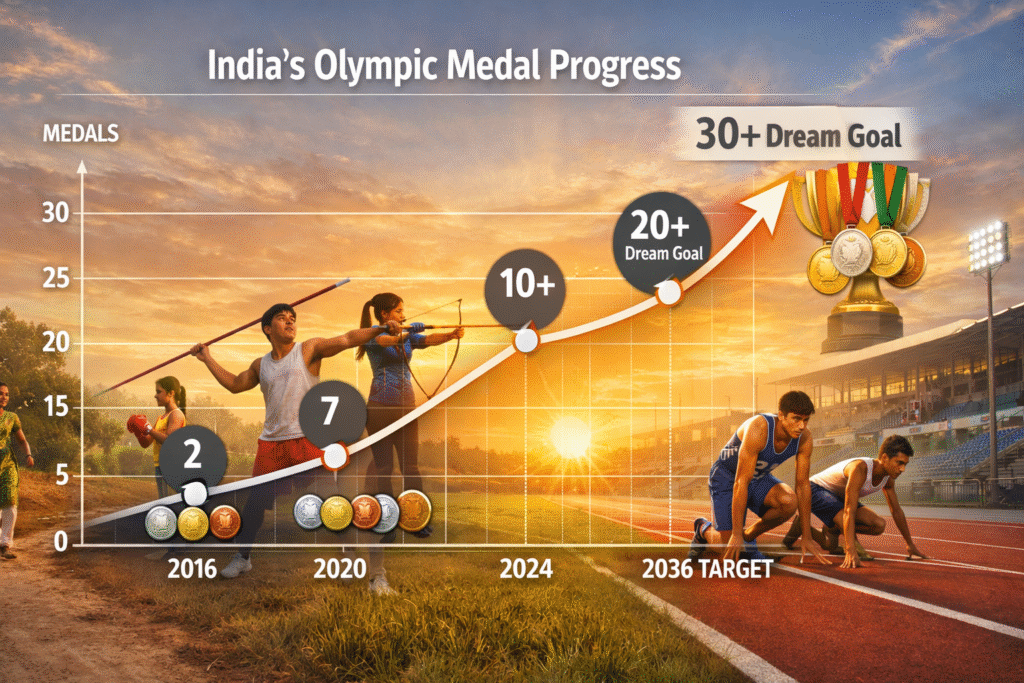
India isn’t dreaming small anymore. With a population of 1.4 billion and a rich history of sporting spirit—from ancient wrestling akharas to modern medal chases—the country is aiming high. Remember Paris 2024? We brought home six medals, a dip from Tokyo 2020’s seven, but the trend since Rio 2016’s two-medal haul shows steady progress. The goal? Host the 2036 Olympics and crack the global top 10 by then, then surge into the top 5 by 2047—the centenary of our independence under Viksit Bharat.
Minister Mandaviya has echoed Prime Minister Modi’s vision repeatedly. In speeches from Ahmedabad to recent launches, he’s stressed that sports must become a national movement, not just an elite pursuit. “By 2036, we want to be in the top 10, and by 2047, among the top five sporting nations,” he declared. This isn’t wishful thinking. It’s backed by record budgets—₹3,794 crore for the Ministry of Youth Affairs and Sports in 2025-26, a massive jump—and policies like the Khelo Bharat Niti 2025, which ties sports to education, infrastructure, and governance reforms.
Think of it like building a skyscraper. You don’t start at the penthouse; you lay deep foundations in the soil. For India, that soil is our villages, tribal belts, and small towns—home to millions of raw talents waiting to be discovered. Without grassroots pipelines, Olympic dreams stay just that: dreams.
Khelo India: The Grassroots Revolution Sparking Change
Enter Khelo India, the game-changer launched in 2017. It’s not one program but a whole ecosystem—talent identification, state-level centers, support for women’s sports, promotion of indigenous games, and more. Today, over 1,066 Khelo India Centres (KICs) dot the map, with 997 already humming with activity. These aren’t fancy academies; they’re local hubs where kids train with basic kits, nutrition support, and pathways to higher levels.
The scheme nurtures everything from school-level competitions to national camps. It has already fed dozens of athletes into the Target Olympic Podium Scheme (TOPS). Remember how 28 Khelo India-supported athletes shone in Paris 2024? That’s the pipeline at work. It’s about equity too—reaching girls, persons with disabilities, and rural youth who were long overlooked.
Metaphor time: Khelo India is like a vast banyan tree, roots spreading wide into every corner of India, branches lifting talents upward. It’s not just about medals; it’s reviving the joy of play, turning “khelo” (play) into a national habit.
Khelo India Tribal Games: A Historic Platform for Untapped Talent
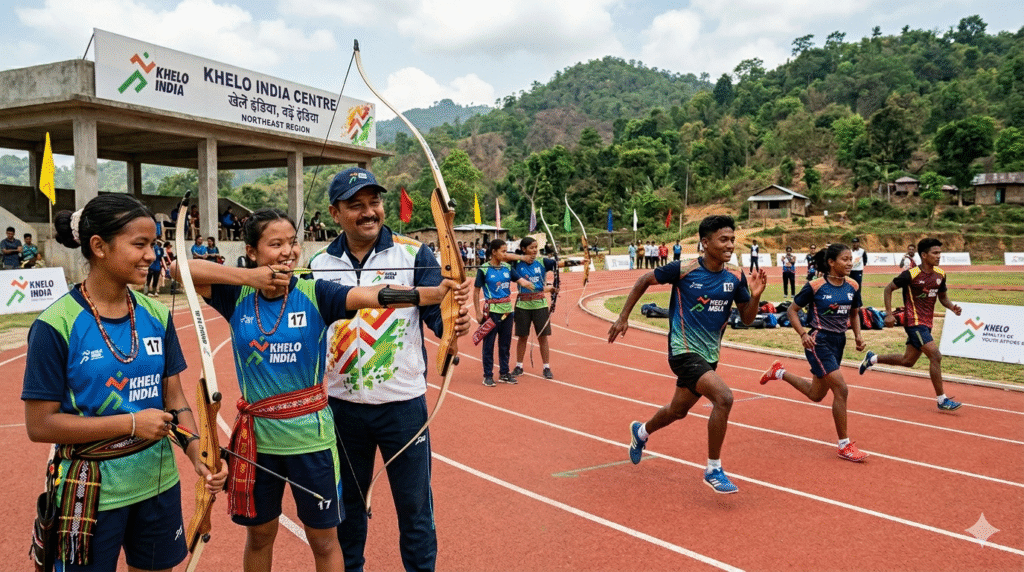
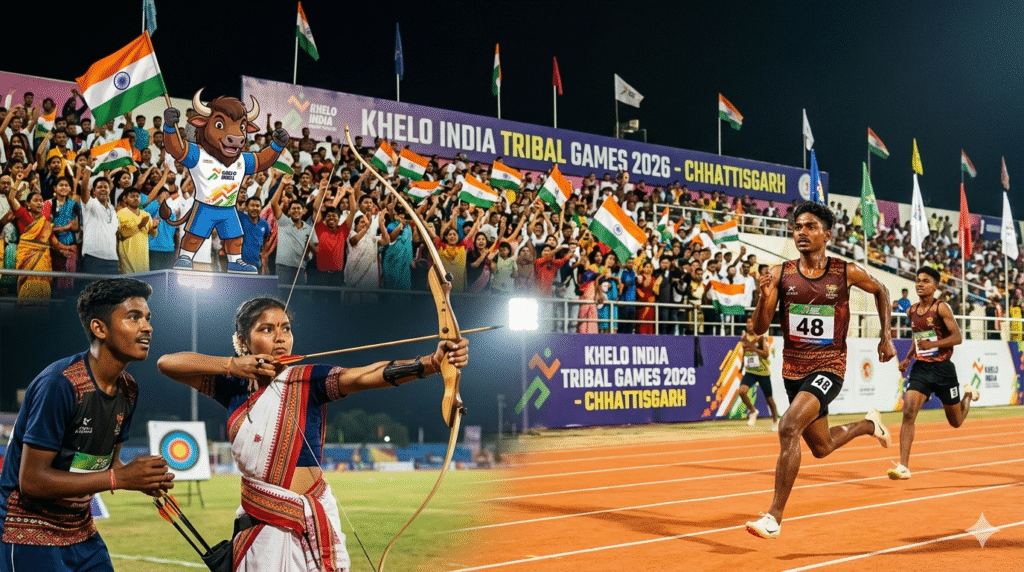
Now zoom in on the star of the moment—the inaugural Khelo India Tribal Games 2026, hosted by Chhattisgarh across Raipur, Jagdalpur, and Surguja. Running right now (March 25 to April 3/6), this is India’s first dedicated national multi-sport event for tribal athletes. Over 3,800 participants (athletes, coaches, officials) from 30 states and UTs, with selection trials drawing from a massive pool—some reports say up to 60,000 in preliminary stages. Seven medal sports: archery, athletics, football, hockey, swimming, weightlifting, and wrestling. Plus demonstration events like mallakhamb and kabaddi to celebrate indigenous roots.
The mascot? Morveer—symbolizing bravery and tribal pride. Venues buzz with energy as athletes from remote hills and forests step onto the big stage for the first time. It’s not just competition; it’s a bridge from tradition to global glory. Archery from Northeast tribes, wrestling from central India’s akharas—these are skills passed down through generations, now polished for Olympics.
This event directly feeds the 2036 pipeline. It spots talent early, offers scholarships, coaching, and exposure. Minister Mandaviya himself highlighted how such initiatives will deliver India’s best-ever Asian Games performance and beyond.
The Big Impact: Why Grassroots Events Like These Are Game-Changers
Let’s break down the pros—because the evidence is building.
- Talent Discovery at Scale: Tribal and rural areas hold hidden gems. The Games ensure no talent is left behind, expanding the pool beyond urban metros.
- Holistic Development: Not just sports—nutrition, education linkages, mental conditioning. Khelo India Centres provide scientific training that prevents early burnout.
- Cultural Pride Meets Modern Edge: Indigenous sports like kabaddi get mainstream shine, while athletes learn Olympic-standard techniques. It’s fusion at its finest.
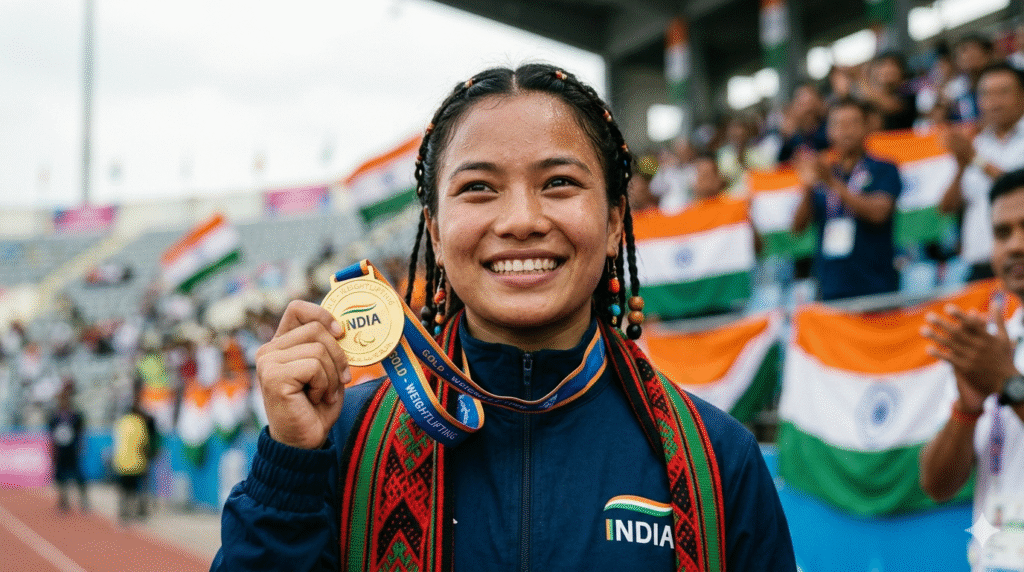
- Proven Results: Past Khelo Youth Games have produced stars. The Tribal edition is already creating buzz with early golds—like swimmer Anjali Munda from Odisha clinching historic women’s 200m freestyle gold, or weightlifter Anai Wangsu from Arunachal overcoming illness to win while honoring her brother’s unfulfilled dreams.
Experts agree: widening the base raises the ceiling. More participants mean deeper competition, better depth for national teams.
Real Stories: From Remote Villages to National Spotlight
Stories make the data come alive. Take Anjali Munda, the teen swimmer from Odisha who grabbed gold at these Games in a “chance selection” that changed everything. Or Anai Wangsu, the 21-year-old Arunachal weightlifter who fought health battles and family odds to lift gold—literally carrying her brother’s dreams on her shoulders.
Flashback to earlier Khelo successes: Sprinter Asha Kiran Barla from Jharkhand’s Gumla district won golds in Youth Games and kept rising. Or wrestlers and archers from Northeast who’ve broken into international camps. Even Paris 2024 stars trace roots to Khelo pipelines.
On the flip side, stories like Arjun’s remind us why these platforms matter. Before Khelo, thousands burned out or quit. Now, structured support is changing that narrative—one medal, one scholarship at a time.
Challenges on the Horizon: Realism in the Dream
It’s not all smooth sailing. Critics point out gaps: inconsistent post-event support, infrastructure shortages in remote areas, coaching quality, and mental health pressures. Some athletes still return to daily-wage life after one-off glory. Doping concerns, governance reforms under the new National Sports Governance Act, and the need for sustained funding beyond election cycles are real.
Long fasting windows? Wait, no—long talent pipelines need patience. India’s 2036 bid faces IOC scrutiny on readiness. Tribal athletes juggle family duties, limited nutrition, and cultural barriers. Balanced view: progress is real, but scaling infrastructure, private partnerships, and women’s participation (think ASMITA leagues) are non-negotiable.
The Indian Twist: Tradition, Community, and Modern Sports
Fasting? No—our culture has always celebrated physical prowess: from tribal archery in festivals to rural kabaddi in mud pits. Khelo India taps this—Karva Chauth-like discipline meets scientific training. Families in villages now see sports as a viable career, not just “timepass.” Yoga, traditional diets (ragi, millets for stamina), and community support add that desi flavor to global ambitions.
Practical Ways Forward: Tips for Aspiring Athletes, Parents, and Communities
Thinking of jumping in? Here’s how to ride the wave safely and smartly:
- Start Local: Check Khelo India Centres or state trials. No fancy gear needed—just heart.
- Build Balance: Pair sports with studies and nutrition. Millets, dal, greens fuel better than junk.
- Seek Support: Connect with coaches via Khelo apps or SAI portals. Track progress like a pro.
- Mental Game Strong: Meditation or village walks keep stress low—cortisol is the real opponent.
- Community Power: Parents, form local clubs. Schools, integrate sports periods.
- Stay Informed: Follow Khelo India updates; volunteer at events to learn.
Wrapping It Up: The Dream Is Ours to Build
India’s 2036 Olympic dream isn’t a distant mirage—it’s being forged in tribal fields, village akharas, and national Games like these. Grassroots events such as the Khelo India Tribal Games are the bridge from forgotten talent to global glory. Yes, challenges exist, but with vision, investment, and collective will, we’re on track for top-5 status by 2047.
If you’re a young athlete, parent, or sports lover, this is your moment. What’s your take? Have you or someone you know benefited from Khelo India? Share your story in the comments—let’s celebrate every champion-in-making and cheer India toward Olympic gold. Together, we’re not just watching history; we’re building it. Jai Hind—let the Games begin!
You May Like This
1


Advertisement
You May Like This
Advertisement
Advertisement
Advertisement