

Advertisement

- Updated on May 9, 2026
- IST 9:05 am
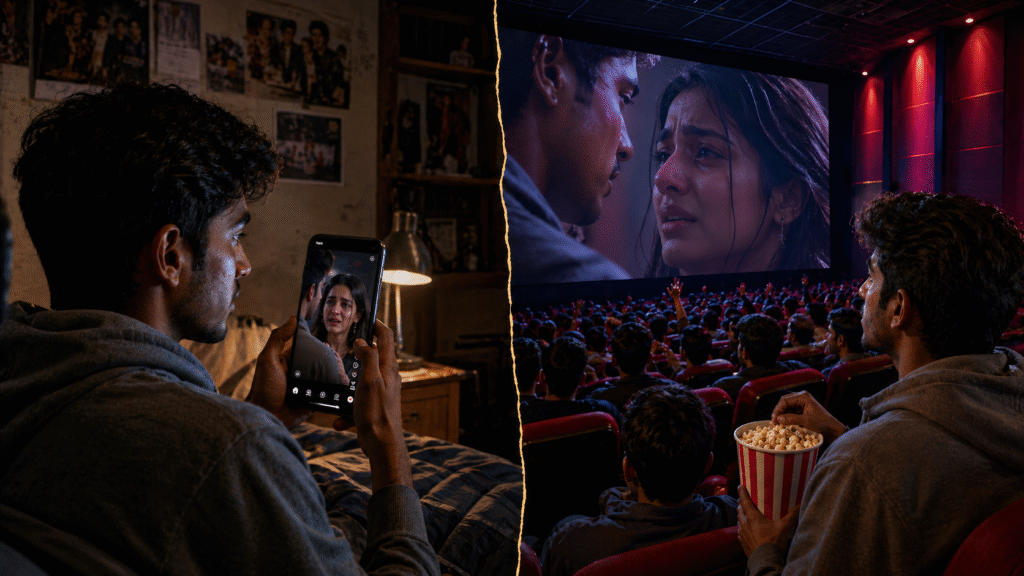
Imagine this: 22-year-old Aarav from Delhi is sprawled on his hostel bed at midnight, eyes glued to his phone. A 30-second Instagram Reel unfolds—a sharp betrayal in a bustling Mumbai college canteen, tears glistening under neon lights, a cliffhanger line delivered with perfect dramatic pause: “Tumne mera dil tod diya… ab dekhna kaise todta hoon main sab kuch.” His heart races. He likes, shares, and tags his gang. The next weekend, he drags them to the multiplex for the latest Bollywood blockbuster. Twenty minutes in, the exact same emotional beat hits: same quick cuts, same loaded dialogue, same instant gratification. “Bhai, yeh toh Reel se copy kiya lagta hai!” Aarav whispers, half-amused, half-shocked.
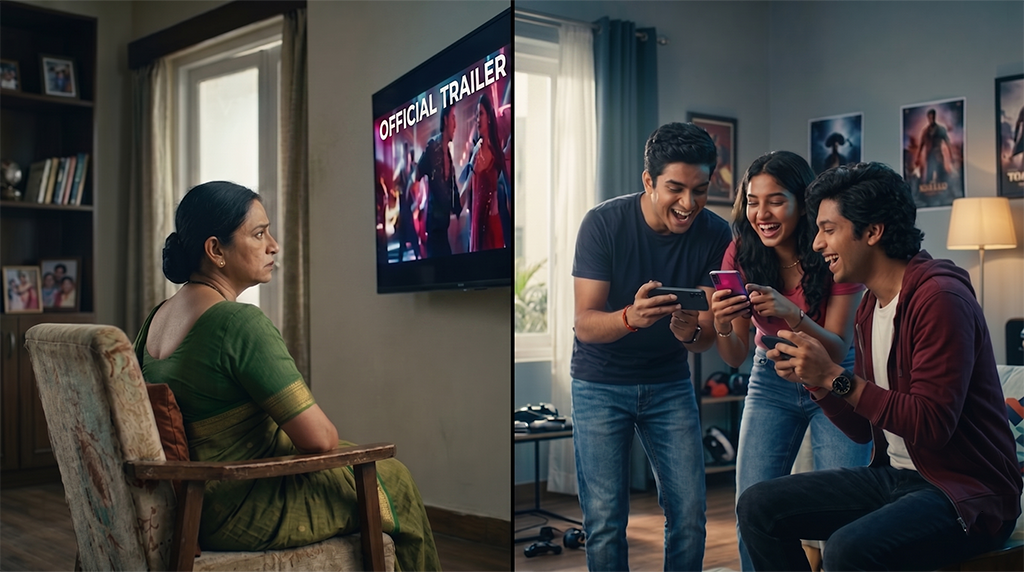
Now picture 45-year-old Meena Aunty from Lucknow, a lifelong Bollywood devotee who still remembers waiting weeks for Dilwale Dulhania Le Jayenge tickets. She sits through the same film, popcorn in hand, but leaves disappointed. “Kya ho gaya hai cinema ko? Pehle stories the, ab sirf bite-sized drama hai. Ek ghanta baad hi bore ho jaati hoon.” For her, the magic of long-form storytelling—slow builds, layered characters, epic intervals—feels diluted, replaced by the frantic pace of vertical videos.
So, what’s the real story? Your 30-second Instagram Reel isn’t just mindless scrolling anymore—it’s quietly scripting the next 3-hour blockbuster. Welcome to the era of “micro-drama-ification” of Bollywood. Short-form content on Instagram, YouTube Shorts, and emerging micro-drama platforms is reshaping how screenplays are written, dialogues crafted, and even songs choreographed. Is this a natural evolution for a generation raised on dopamine hits, or is it dumbing down the rich tapestry of Indian cinema? In this deep dive, we unpack the rise, the risks, the rewards, and the very real ways this trend is playing out in desi cinema. From Mumbai’s script rooms to Tier-2 living rooms, let’s explore how Reels are going from trend to template.
The Rise of Micro-Dramas: From Scroll to Screen
India is in the midst of a short-form revolution. Micro-dramas—those bite-sized, vertical, episodic stories packed with high-stakes emotion, cliffhangers every 15-30 seconds, and addictive hooks—are exploding. According to recent industry reports, India’s micro-drama market hit $300 million in its first explosive year and is projected to reach $4.5 billion by 2030. Platforms like MX Player’s Fatafat, Kuku TV, and countless Instagram creators are feeding 250 million+ Indians a steady diet of serialised drama optimised for mobile thumbs.
Unlike traditional Bollywood’s grand narratives, micro-dramas thrive on instant connection. A jilted lover’s revenge plot, a family secret unravelling in 45 seconds, or a rags-to-riches twist—all delivered in hyper-real, relatable desi settings: middle-class flats in Noida, crowded Mumbai locals, or small-town wedding pandals. With 89% of discovery happening directly via Instagram feeds, creators don’t need big budgets or stars; they need razor-sharp pacing and emotional punches that keep viewers swiping for the next episode.
This format didn’t emerge in a vacuum. India’s smartphone boom, affordable data, and a young population (over 65% under 35) created the perfect storm. Reels and Shorts trained our brains to crave stories in under a minute. Now, that expectation is bleeding into cinema halls. Filmmakers are no longer just telling stories—they’re engineering them to live beyond the theatre, on your feed.
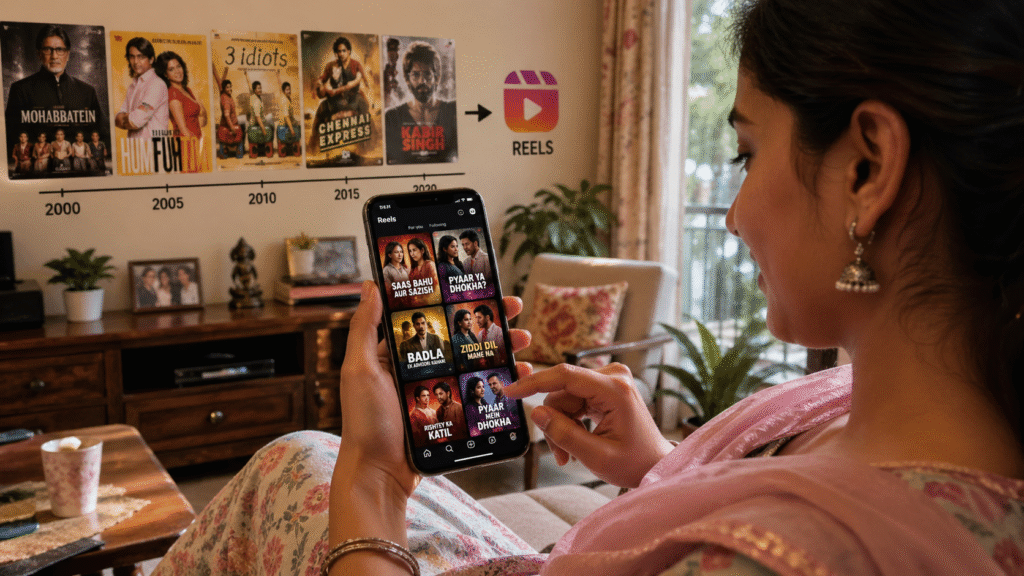
Understanding the Mechanics: How Reels Are Rewriting the Rulebook
Gone are the days when a screenplay focused solely on three-act structure, character arcs spanning two hours, and poetic monologues. Today’s writers—whether in Bollywood or regional cinema—are thinking “Reel-first.” Take the example of top directors like Sukumar of Pushpa fame, who openly admitted that social media now shapes his writing process. Dialogues and lyrics are crafted with one question in mind: “Will this go viral on Instagram Reels or YouTube Shorts?”
The result?
- Hook-heavy openings: Movies now open with high-energy sequences designed to grab attention in the first 10-15 seconds, mirroring Reel algorithms.
- Viral dialogue moments: Punchy, quotable lines delivered with dramatic pauses, perfect for 15-second clips. Think rapid-fire one-liners that fans recreate instantly.
- Song sequences as mini-dramas: Choreography isn’t just for the big screen anymore—it’s engineered for vertical videos. Quick cuts, trending steps, and emotional peaks that look stunning in portrait mode.
- Cliffhanger scene breaks: Even in theatrical releases, scenes end on mini-suspense notes, encouraging audiences to discuss (and clip) them online.
This isn’t accidental. Short-form has trained audiences to expect constant stimulation. Attention spans have shrunk, and Bollywood is adapting or risking irrelevance. Writers now treat scripts like a series of interconnected micro-stories, each capable of standing alone as a Reel while contributing to the larger narrative.
The Big Debate: Natural Evolution or Dumbing Down Storytelling?
Here’s where opinions split sharply—much like the comment sections under any viral film clip.
The Pros: Why This Shift Feels Like Progress
- Democratisation of Storytelling: Anyone with a smartphone can now tell stories that reach millions. Micro-dramas have given voice to fresh talent from smaller towns, bringing authentic Tier-2 and Tier-3 narratives into the mainstream. Bollywood is borrowing this energy, leading to more diverse, relatable characters.
- Viral Marketing Goldmine: A single dialogue or song clip can generate millions of views organically, cutting down on promotional budgets. Films that “Reel well” get free publicity from fans recreating scenes.
- Pacing That Matches Modern Life: In a fast-paced India—jobs, traffic, family duties—viewers want entertainment that respects their time. Short, punchy scenes keep engagement high without sacrificing emotion.
- Innovation in Craft: Directors are experimenting with hybrid storytelling: deep character work combined with Reel-friendly rhythm. This can make cinema more dynamic and accessible.
Young creators like 28-year-old Priya from Bangalore, who started with Instagram micro-dramas about the struggles of working women, landed a writing gig on a major streaming project. “Reels taught me to respect the audience’s time,” she says. “Every second must count.”
The Cons: Where the Magic Might Be Fading
- Loss of Depth: Critics argue that prioritising 30-second highs leads to shallow character development. Complex emotions get reduced to tropes—betrayal, revenge, redemption—without the nuance that made classics timeless.
- Formulaic Fatigue: When every film chases the same viral formula, stories start feeling repetitive. The “dumbing down” fear is real: long, contemplative scenes that build empathy are vanishing.
- Creative Pressure: Writers face studio demands to “make it Reel-ready,” sometimes at the expense of artistic vision. Veteran lyricists and dialogue writers lament the shift from poetry to punch.
- Cultural Homogenization: While micro-dramas celebrate desi life, the pressure for virality can flatten unique regional flavours into pan-Indian templates optimised for algorithms.
Meena Aunty isn’t alone. Many cinephiles feel the soul of cinema—its ability to make you reflect for days—is being traded for quick likes.
The Indian Twist: Reels Meet Masala and Middle-Class Realities
Fasting isn’t new to us Indians—wait, no, storytelling isn’t either. From Ramayana kathas to street theatre, we’ve always loved dramatic tales. But Reels have supercharged it with technology. Our love for high drama (think family rishtey, pyaar, dhokha) fits perfectly into micro-format: emotional, exaggerated, and shareable.
Everyday Indian life—arranged marriage pressures, joint family conflicts, small-town aspirations—becomes Reel fodder and then screenplay inspiration. Songs once shot in the Swiss Alps are now designed to trend alongside bhangra steps or thumka challenges. Even festivals like Diwali or Holi get woven into 30-second arcs that later expand into full cinematic sequences.
The rise of regional micro-dramas in Hindi, Tamil, Telugu, and more is pushing Bollywood toward pan-India appeal. AI dubbing tools on Instagram are making content borderless, further blurring lines between short and long form.
Real Stories: Triumphs, Tumbles, and Turning Points
Let’s hear from the people living this shift.
- Rahul Sharma, 26, Mumbai-based aspiring screenwriter: He started posting micro-dramas about corporate hustle. One Reel series went mega-viral (over 50 million views). A production house noticed and hired him for a Bollywood comedy. “My first script note? ‘Make the confrontation scene shorter—it needs to work as a Reel.’ It changed how I think.”
- Neha Kapoor, 31, Delhi homemaker and film buff: She loved the emotional depth of older films but now enjoys how new releases give her “Reel moments” to discuss with her college-going daughter. “We bond over clips now. It’s brought cinema back into our conversations.”
- Veteran director Vikram Rao (name changed for privacy): “I resisted at first. But after seeing a young writer’s Reel-inspired script test well with focus groups, I adapted. One song we shot became a trend overnight—millions of dance covers. The box office thanked us.”
These tales show it’s not all black-and-white. Success depends on balance.
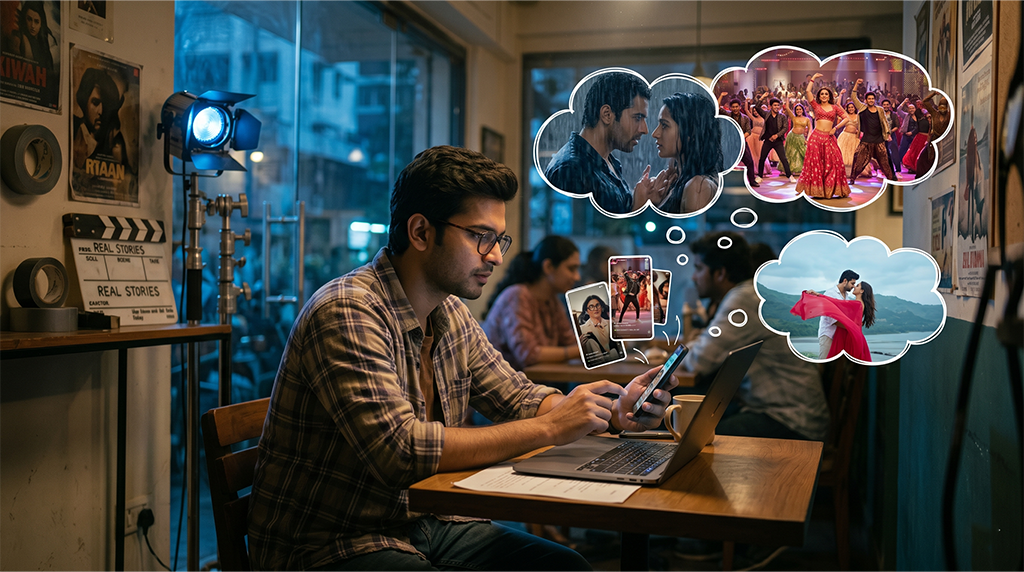
Smart Adaptation: How Filmmakers and Viewers Can Navigate the Shift
Thinking of creating or just enjoying content in this new landscape? Here’s how to do it right:
- Balance is Key: Start with strong hooks, but don’t forget deeper arcs. Use Reels for promotion, not as the sole blueprint.
- Audience First: Understand your desi viewer—mix nostalgia with modernity. Relatable problems (job stress, relationship drama) work best.
- Collaborate Across Formats: Reel creators and traditional writers teaming up is the future. Fresh eyes meet seasoned craft.
- Test and Iterate: Release teaser clips early. See what resonates and refine.
- Preserve the Heart: Never sacrifice emotional truth for virality. The best Reels—and films—still move us deeply.
Stay Authentic: Incorporate real Indian chaos—power cuts during dramatic scenes, chai breaks, auntie interference. That’s what makes it ours.
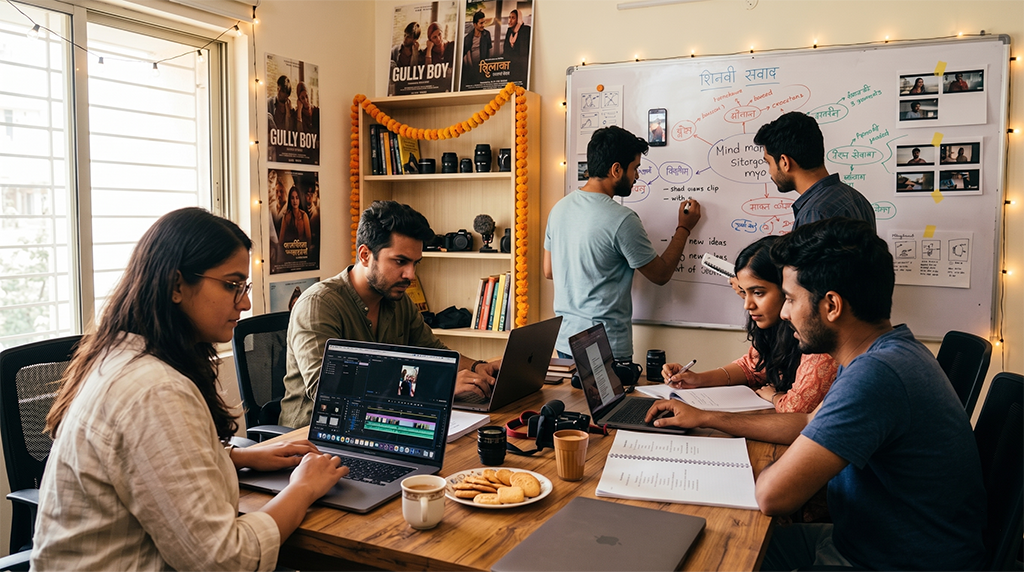
Desi Content Hacks: Making Reels and Cinema Work Together
- Open with a relatable problem in the first 10 seconds.
- Use trending audio or sounds, but twist them with Bollywood flair.
- Design interval points as “Reel breaks” for maximum social buzz.
- Encourage fan recreations—turn audiences into marketers.
- Blend high production with raw, phone-shot aesthetics for authenticity.
Wrapping It Up: To Scroll or to Savour?
From Reels to real, the influence is undeniable. Thirty-second dramas are pushing Bollywood to evolve—faster pacing, broader reach, innovative storytelling. For some, it’s a thrilling renaissance that keeps cinema relevant for Gen Z and millennials. For others, it risks eroding the depth that made Indian films legendary.
The truth? It’s neither a pure blessing nor a curse. The best outcomes happen when creators respect both the short attention span of today and the timeless human need for meaningful stories. Bollywood has survived many shifts—talkies, colour, multiplexes, OTT. This too shall pass into something richer if we approach it thoughtfully.
If you’re a viewer, a creator, or just someone who loves a good filmy twist— what’s your take? Has a Reel ever made you rush to the theater? Or do you miss the old-school magic? Drop your stories, favorite Reel-inspired movies, or hot takes in the comments below. Let’s keep the conversation going—because in the end, whether 30 seconds or three hours, great storytelling will always win hearts. Share this with your cinephile gang and tag a friend who lives for Reels! Your next favorite script might just start with a scroll.
You May Like This
1



Advertisement
You May Like This








Advertisement
Advertisement
Advertisement