

Advertisement

Advertisement

- Updated on May 15, 2026
- IST 3:51 am
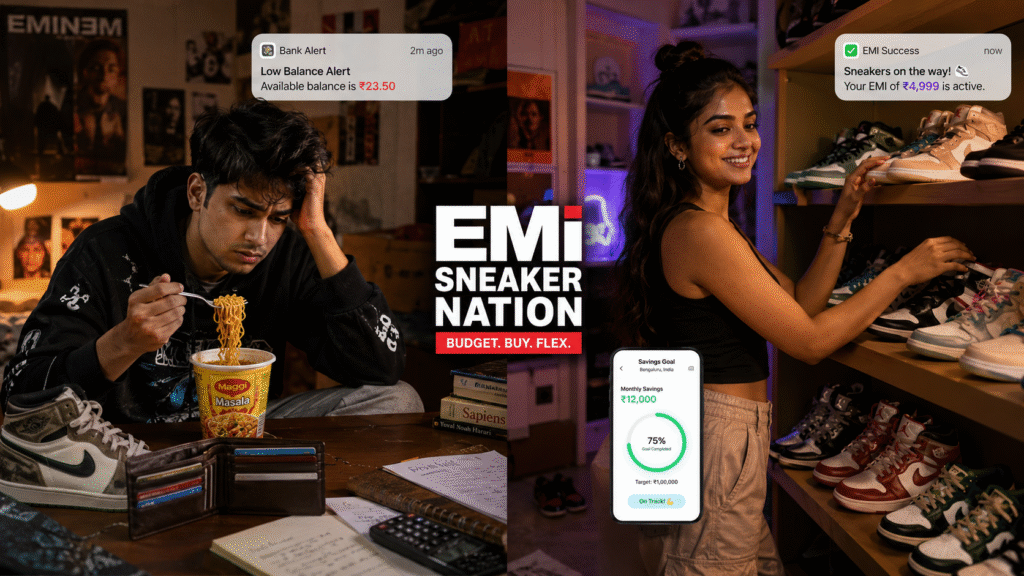
Imagine this: Arjun, a 22-year-old software intern from Delhi living in a PG with three roommates, scrolls through Instagram at 2 AM. The Yeezy x Gap final drop is live—only 500 pairs in India, resale already hitting ₹60,000. “This is my grail,” he thinks. With a ₹35,000 monthly salary, he clicks “Buy Now, Pay Later” on a fintech app—zero-cost EMI for 12 months. The sneakers arrive in a sleek box the next day. He films the unboxing, posts it, and gets 10k likes. But two weeks later, his bank balance is ₹800, rent is due, and dinner is Maggi with sambar powder. “Bro, these kicks are fire… but my EMIs are killing me,” he confesses in a late-night group chat, half-joking, half-panicking.
Now picture Priya, 24, a marketing executive from Bengaluru. She’s just as obsessed with sneakers—she grew up watching her older brother trade limited Jordans. But when the Nike Air Max Dn8 hype hit, she waited. She researched resale platforms, saved ₹8,000 over three months from her side hustle, and copped a gently used pair for ₹18,000—authentic, no debt. Six months later, she’s flipped two pairs for profit while rocking her collection guilt-free. “Sneakers should elevate your life, not bury it under EMIs,” she says with a grin.
So, what’s the truth? Is India’s exploding sneaker culture—fueled by limited-edition drops, Instagram unboxings, and easy EMIs—a harmless passion for Gen Z, or is it quietly pushing thousands of young Indians into a dangerous cycle of fashion debt and status anxiety? With the sneaker market projected to hit nearly $6 billion by the early 2030s and resale platforms booming, we’re unpacking the hype, the hidden costs, real stories from the streets of Delhi, Mumbai, and Bengaluru, and smart ways to enjoy the culture without sacrificing your future. Let’s lace up and walk through it together.
Understanding Sneaker Culture in India 2026: From Street Style to Status Symbol
First, let’s get the basics down. Sneakers aren’t just shoes anymore—they’re cultural currency. In 2026, India’s sneaker market is valued at around $4 billion and growing fast at a 5.5-6% CAGR, driven almost entirely by Gen Z and young millennials. What started as functional athletic footwear has morphed into a full-blown subculture powered by hype drops, celebrity collabs, and social media flexes.
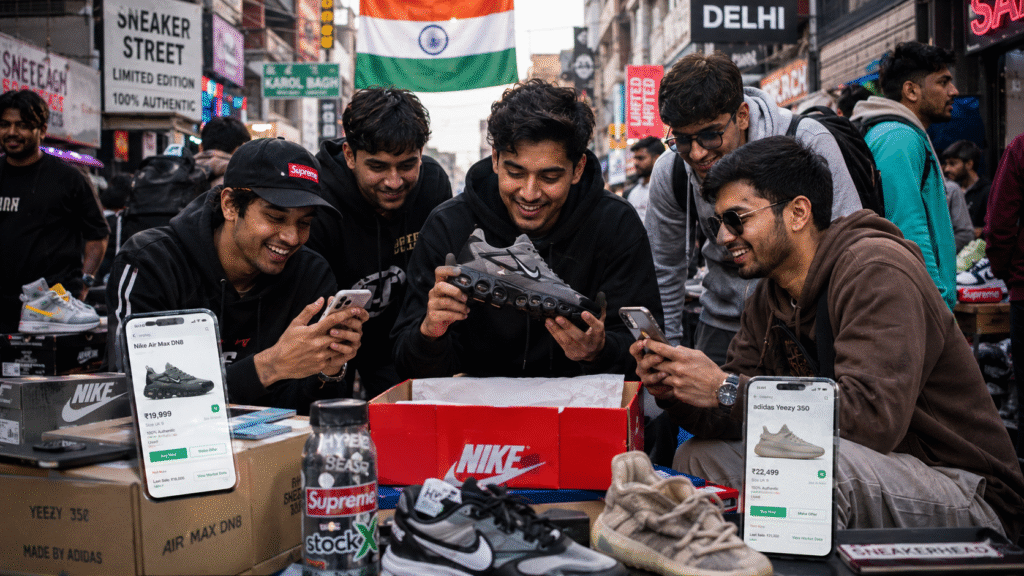
Think of it like the great Indian wedding—everyone wants to stand out. Limited drops from Nike, Adidas (Yeezy’s final echoes), Jordan Brand, New Balance, and even homegrown labels create FOMO that hits harder than Mumbai traffic. Platforms like Crepdog Crew, Find Your Kicks, and Hustle Culture have turned resale into a legitimate side hustle, with some pairs flipping for 3-7x retail. Instagram unboxings rack up millions of views, turning ordinary 20-somethings into mini-influencers overnight.
But beneath the glossy reels lies something deeper: status anxiety. In a country where traditional markers like owning a house feel out of reach for many young professionals, a fresh pair of ₹40,000 kicks becomes the new symbol of “I’ve made it.” Finance experts are sounding the alarm—easy, no-cost EMIs and BNPL options have made luxury feel accessible, but the debt hangover is real. Is this passion or a financial trap dressed in premium leather and mesh?
EMI Sneaker Buying Explained: Easy Payments Over Actual Savings
Unlike traditional saving-up-for-months shopping, sneaker EMIs are all about instant gratification. Fintech apps and credit cards offer “zero-cost” instalments spread over 3-12 months, often with zero interest if paid on time. It’s like setting a clock for your payments—cop the kicks today, worry about the math later.
Popular methods include:
- 3-6 Month No-Cost EMI: Perfect for quick flips or flexes on smaller drops.
- 12-Month BNPL Plans: The go-to for big-ticket grails like Air Max Dn8 or remaining Yeezy stock.
- Credit Card + Resale Play: Buy on EMI, resell at a profit, and clear the debt early.
The pitch? Sneakers can actually make you money through resale while boosting confidence and social capital. For the average sneakerhead, it feels like a smart investment in personal brand. But for many young Indians juggling entry-level jobs, rising rents, and inflation, does it sync with financial reality—or throw your budget completely off balance?
The Big Debate: Does Sneaker Hype Help or Hurt India’s Youth?
Here’s where it gets juicy—fashion lovers and finance gurus are locked in a heated debate across Reddit, X, and family WhatsApp groups. Let’s break it down fairly.
The Pros: Why Limited Kicks Can Feel Worth It
- Status and Confidence Boost: In a hyper-visual world, the right sneakers open doors—better networking at events, respect in college circles, even dating edge. Many young buyers report feeling “seen” for the first time.
- Resale Potential: Smart coppers treat it like a mini-stock market. Top flips on platforms have delivered 200-300% returns in weeks during 2026 hype cycles.
- Community and Culture: Sneaker meets foster friendships, side hustles, and even career pivots into content creation or retail. It’s creative expression in a competitive job market.
Take Priya’s story: Her disciplined approach turned a hobby into ₹50,000 extra income last year while keeping her credit score pristine.
The Cons: Where EMI Sneaker Nation Backfires
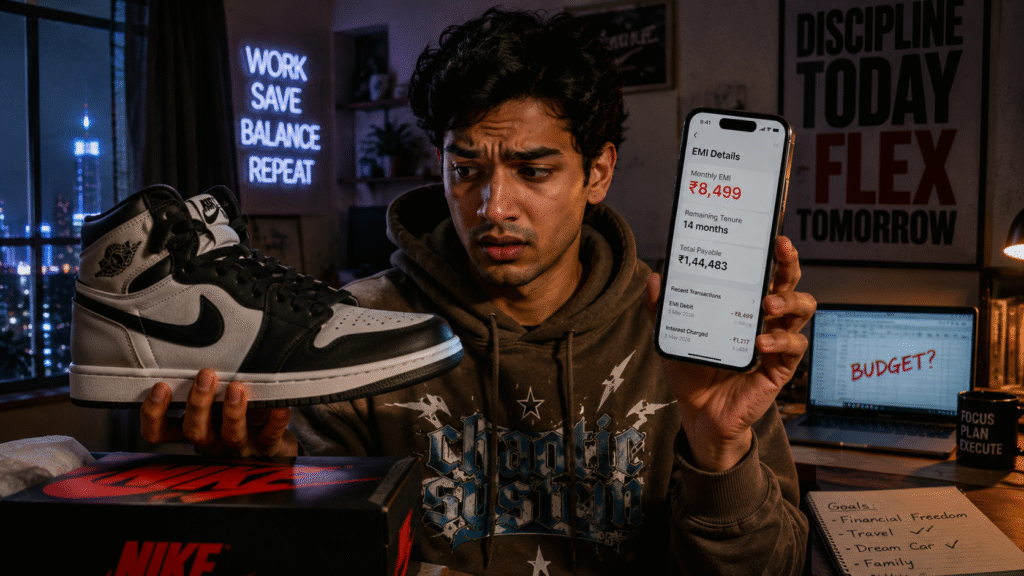
- Debt Spiral: Easy EMIs mask the real cost. One missed payment and interest kicks in at 36-48% APR. Finance influencers report Gen Z racking up ₹30,000-₹1 lakh in fashion debt on ₹30-50k salaries.
- Opportunity Cost: That ₹60,000 on kicks could have gone toward an emergency fund, skill course, or even a small investment. Many end up eating cheap noodles while their sneakers gather dust in the box.
- Status Anxiety Overload: Constant comparison on Instagram fuels impulsive buys. Mental health experts link it to rising anxiety and buyer’s remorse among 18-28-year-olds.
Arjun learned this the hard way. His Yeezy EMIs forced him to borrow from friends for basic groceries. “I thought I was building my drip game, but I was actually draining my future,” he admits now.
The Indian Twist: Hype Culture Meets Middle-Class Realities
Sneaker mania isn’t new to us Indians—we’ve always had a love for status symbols, from gold to gadgets. But today’s version collides head-on with classical desi values: “save first, spend later,” family pressure to “settle down,” and the reality of middle-class budgets stretched by EMIs for everything from iPhones to foreign trips.
Our festivals amplify it too—Diwali unboxings, wedding season flexes, and college fests turn sneakers into must-have accessories. Heavy “carb” spending on hype drops meets lighter, smarter options like homegrown brands (Gully Labs, Neeman’s, CHK) that blend Indian design with quality at half the price. The trick? A 3-6 month “EMI fast” from impulse buys while building a smart collection. Can the sneaker culture fit our desi framework? Absolutely—if we tweak it with intention instead of FOMO.
Real Stories: Triumphs and Tumbles from India’s Sneakerheads
Let’s hear from the real ones living it.
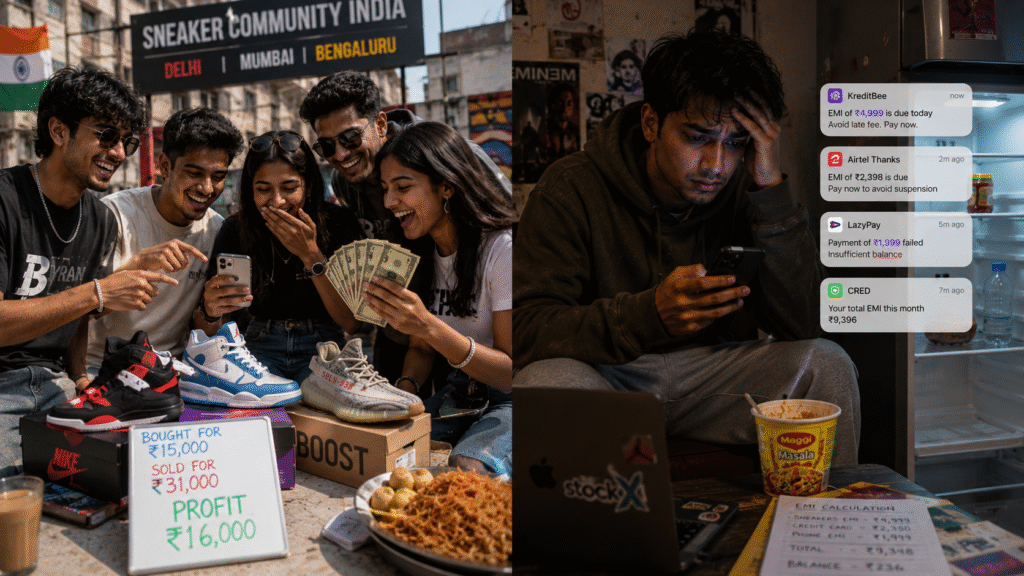
- Rahul, 23, Mumbai: Dove headfirst into 12-month EMIs for three Nike drops in 2026. Loved the initial Instagram glow-up, but months later, he was skipping gym sessions to save on transport and stressing over credit score dips. His CA uncle stepped in: “Pause the copping, focus on clearing debt first.” Rahul sold two pairs at a small loss and learned his lesson. “Now I only buy what I can afford in cash,” he shares.
- Sneha, 26, Hyderabad: Opted for a balanced approach—mix of resale, homegrown, and one big cop per quarter. With a side hustle reviewing sneakers on YouTube, she cleared her small EMIs early and even profited. “My collection feels earned, not owed,” she beams. Yoga and budgeting apps keep her grounded.
These stories prove one thing: sneakers aren’t the villain. It’s how we wield the hype that matters.
Safe Sneaker Collecting for Gen Z: Tips to Get It Right
Thinking of starting or upgrading your collection? Here’s how to stay sane and solvent:
- Ease In: Begin with affordable, versatile pairs under ₹5,000. Test the waters before chasing grails.
- Budget Check First: Only spend what you can clear in cash within 3 months. Treat EMIs as last resort.
- Research Resale Value: Use apps and communities to pick drops with actual flip potential—not just hype.
- Track Everything: Use simple apps to log purchases, EMIs, and resale plans. If it hurts your emergency fund, walk away.
- Get Expert Eyes: Talk to a financial advisor or join responsible sneaker groups. Your money game should match your drip game.
Chill Out: Remember, confidence comes from within—not from the box logo. A quick walk or chat with friends beats doom-scrolling drops.
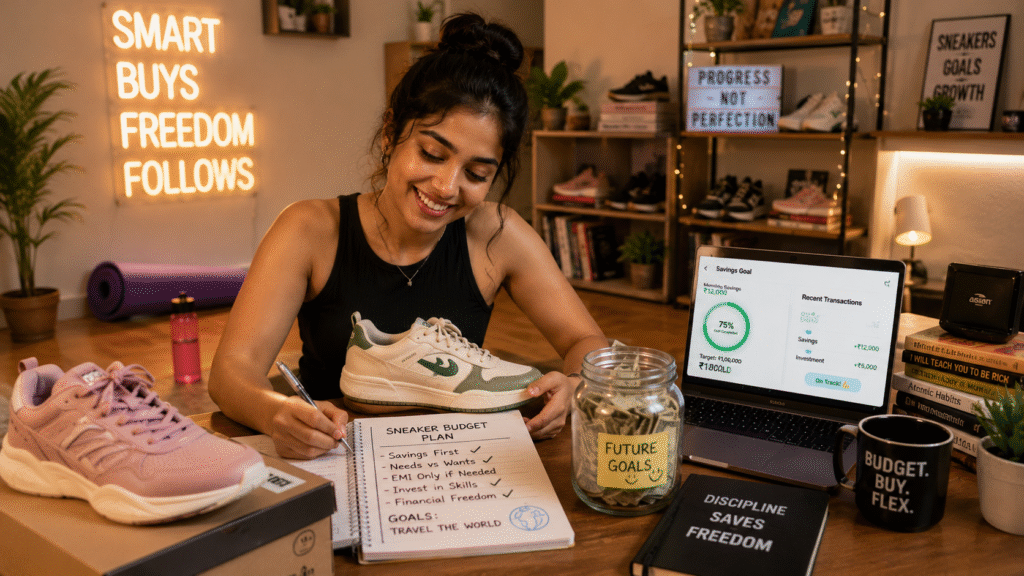
Desi Hacks: Building Your Sneaker Collection Smart Without Going Broke
What you “eat” in your sneaker budget window can make or break your finances. Here’s a practical Indian playbook:
- Entry-Level Cop (Breaking the Fast): Homegrown like Gully Labs or Performax—stylish, durable, under ₹4,000, perfect for daily wear.
- Mid-Range Flex: Resale platforms for gently used Jordans or New Balance—great value, authentic.
- Smart Snack: Accessories like cleaning kits or laces—small investments that extend life of your pairs.
- Big Drop Dinner: Only one premium cop per quarter, paid in full or short EMI, paired with selling older pairs.
Steer clear of FOMO-fueled multiple EMIs, first-copy traps, and impulse 2 AM drops. Nourish your style and your savings account—don’t punish your future self.
Wrapping It Up: To Cop on EMI or Not to Cop?
So, is the EMI Sneaker Nation ruining India’s youth finances for limited-edition kicks? It’s not black-and-white. For some, it’s a thrilling entry into culture, community, and even smart money moves. For others, it’s a sneaky debt trap wrapped in hype and hypebeast validation. The difference lies in how you approach it—mindfully, strategically, and with deep respect for your hard-earned rupees.
If the sneaker life tempts you, dip your toes in responsibly. Start small, watch your numbers, and lean on community wisdom and financial basics. Your style journey is a marathon, not a sprint—and you’re tougher, smarter, and more capable than any limited drop. What’s your take? Copped any grails on EMI? Regretted a hype buy or nailed a smart flip? Drop your story, favourite sneaker hack, or hot take in the comments below—let’s swap notes, laugh at the memes, and build a smarter sneaker nation together. Share this with your squad and tag us on socials with #EMISneakerNation. Your experiences could save someone else from the same trap!
You May Like This
1



Advertisement

Advertisement
You May Like This








Advertisement
Advertisement
Advertisement
Advertisement
Advertisement
Advertisement