

Advertisement

- Updated on April 15, 2026
- IST 2:30 pm

Imagine this: Rahul, a 26-year-old software engineer from Bengaluru, had been quietly placing bets on his favourite IPL teams for over a year. What started as “just for fun” during a slow Monday night quickly spiralled into late-night sessions, chasing losses, and borrowing from friends to “recover.” One morning, he woke up to ₹4.8 lakh in debt, frozen bank accounts, and his parents staring at him in disbelief. “Those apps sucked me dry—literally,” he later shared with a college buddy, voice cracking. “I thought I was smart enough to beat the system. Turns out, the system was beating me.”
Now, picture Arjun, 23, a marketing intern in Mumbai. He too dipped his toes into the same flashy betting platforms during the cricket season hype. But when notifications started popping up about blocked apps and government warnings, he paused. With friends urging him to switch to free fantasy leagues and weekend cricket watch parties instead, Arjun stepped back. Six months later, he’s debt-free, sleeping better, and even started a small side hustle coaching local cricket kids. “The ban felt like a wake-up call I didn’t know I needed,” he says with a grin.
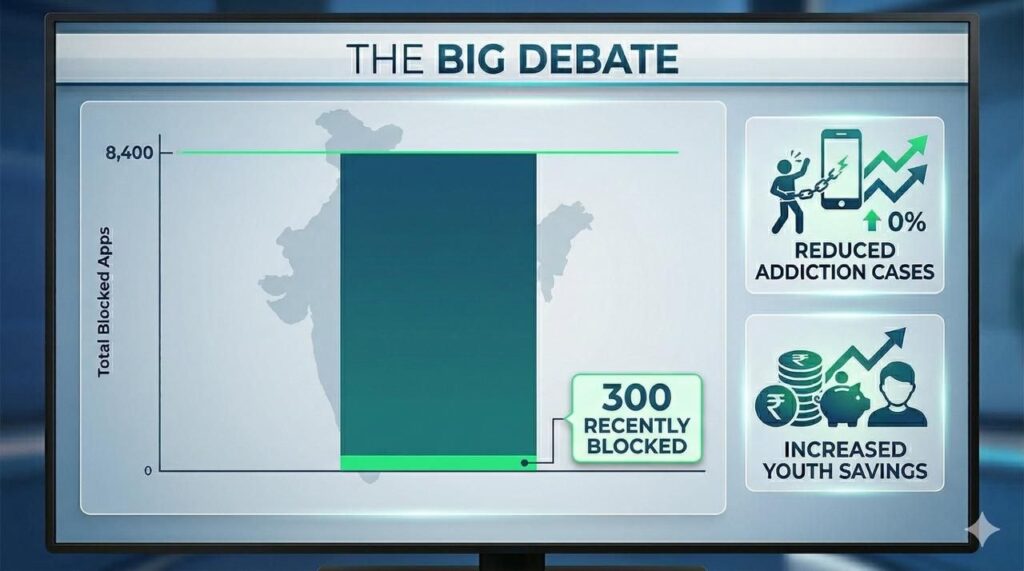
So, what’s the real story behind India’s massive digital clampdown? With the recent blocking of 300 more illegal betting apps and websites under the new Promotion and Regulation of Online Gaming Act (PROGA) 2025, the government has raised the total blocked platforms to nearly 8,400. The hook is simple yet urgent: 300 apps down, more to come — the government’s massive crackdown on online betting is just beginning. In this blog, we’ll unpack the online betting ban India, the PROGA enforcement details, the risks it aims to curb, the real-life ripple effects on young Indians, and what it means for all of us navigating the digital world. We’ll explore multiple sides of the debate, share desi stories, and leave you with practical tips to stay safe. Let’s dive in together.
Understanding the Rise of Online Betting in India: A Digital Epidemic
Online betting wasn’t always this pervasive. A decade ago, it was mostly underground satta or friendly office pools during cricket matches. Today, thanks to smartphones, UPI payments, and slick apps promising “instant wins,” it has exploded among Indians aged 15-45 — students, young professionals, and even homemakers chasing quick thrills. During major IPL seasons, user numbers spike dramatically, with reports estimating billions in wagers flowing through platforms that often operate from offshore servers.
The appeal is easy to see. A quick bet on the next over, a fantasy team lineup, or a live casino table — all from your couch. But behind the flashy interfaces lies a darker reality: addictive algorithms designed to keep users hooked, aggressive promotions via social media influencers, and hidden fees that drain accounts faster than you can say “jackpot.” For many, it starts innocently but ends in sleepless nights, strained relationships, and financial ruin. Critics call it a “silent epidemic,” especially among urban youth juggling high-pressure jobs and the constant FOMO of social media.
The New Gaming Act Explained: PROGA 2025 in Simple Terms
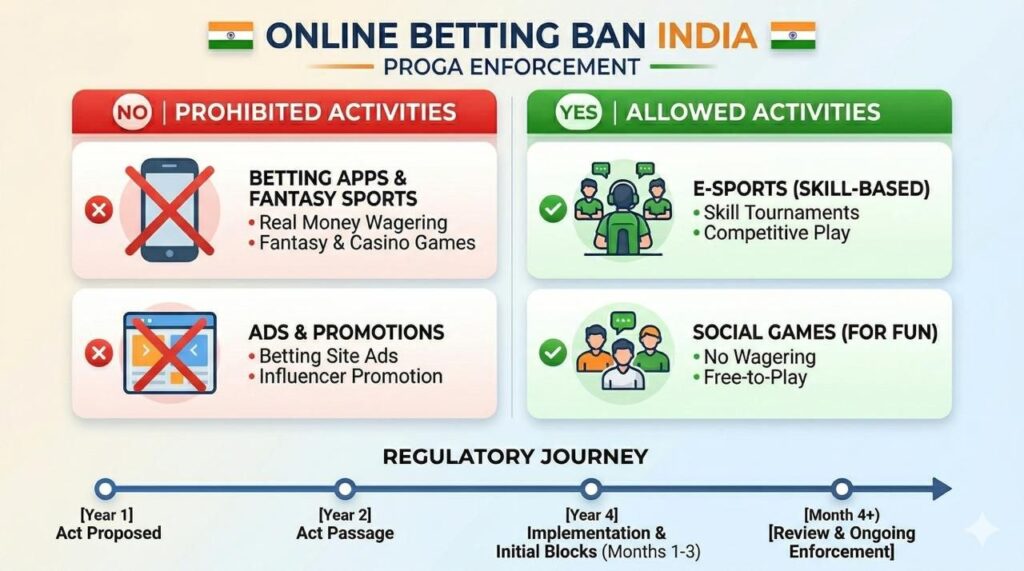
Enter the Promotion and Regulation of Online Gaming Act, 2025 — often referred to in discussions around gaming act violations and gaming regulation enforcement. Passed by Parliament in August 2025 and effective from October 1, 2025, PROGA marks a sea change in Indian digital law. Unlike earlier fragmented state rules that sometimes distinguished between “games of skill” (like fantasy sports) and “games of chance,” this central law draws a clear line: no online money games allowed.
It comprehensively prohibits all forms of real-money gaming — betting, gambling, casinos, poker with stakes, or any combination — whether based on skill, luck, or both. The Act doesn’t stop at the games themselves. It bans advertising, promotion, facilitation, and crucially, the processing of any related financial transactions by banks or payment gateways. Operators, promoters, and even those aiding these platforms face stiff penalties: up to three years in jail and fines up to ₹1 crore. The focus, officials emphasize, is on protecting vulnerable users — especially young Indians — from addiction, financial exploitation, cyber fraud, and broader issues like money laundering linked to Indian cyber crime.
Importantly, PROGA isn’t a blanket ban on fun. It actively promotes safe, non-monetary options like e-sports, educational games, and pure social gaming (think free Ludo or skill-based quizzes with no cash involved). This balanced approach aims to nurture India’s growing digital entertainment sector while curbing the harmful side.
The Crackdown Unfolds: 300 Apps and Sites Blocked Under New Rules

Fast-forward to March 2026: the government announced the blocking of around 300 more illegal gambling and betting platforms. This includes sports betting portals, offshore casinos with slots and roulette, peer-to-peer betting exchanges, traditional satta and matka networks, and real-money card and casino apps. Many operated through mirror sites and mobile apps targeting Indian users via aggressive ads.
This latest round pushes the cumulative total to nearly 8,400 blocked entities. Sources indicate that roughly 4,900 of these blocks happened after PROGA came into force — a clear sign of intensified PROGA enforcement and online gambling crackdown 2026. The Ministry of Electronics and Information Technology (MeitY) has been at the forefront, issuing directives to internet service providers and payment processors to cut off access and transactions.
For everyday users, this means many popular apps suddenly vanished from app stores or became inaccessible without risky workarounds like VPNs. The message is loud: the noose is tightening on illegal gaming sites.
The Big Debate: Does the Ban Help or Hurt?
Not everyone is cheering. Let’s explore both sides with balance and fresh insight.
The Pros: Why This Crackdown Matters
Supporters argue the online betting ban India is long overdue. Addiction stories abound — reports link gambling losses to family breakdowns, student dropouts, and even tragic suicides in states like Karnataka and Telangana. Annual industry estimates put losses in the thousands of crores, with young users (many first-time earners) particularly vulnerable. By shutting down these platforms, the government aims to reduce financial transaction prohibition risks, curb cyber fraud, and protect public health.
Think of it like installing safety rails on a speeding highway. Early data post-PROGA shows declining complaints to cyber crime portals about betting-related scams. Families report relief as impulsive spending drops. For parents of teens glued to phones during exam season, it feels like a much-needed intervention.
The Cons: Where the Rules Might Sting
On the flip side, critics — including parts of the gaming industry and some users — worry about overreach. They point out that a thriving real-money gaming sector was creating jobs (tens of thousands in tech, marketing, and support) and contributing to the digital economy. Suddenly blocking platforms has led to layoffs, investor pullouts, and innovation shifting overseas.
Some users feel it infringes on personal freedom: “If I can legally drink or invest in stocks, why not place a small bet responsibly?” Others have turned to VPNs or unregulated offshore sites, potentially pushing activity underground and increasing illegal gaming sites risks like data theft or non-payment of winnings. Industry voices also argue that a total ban (instead of regulated skill games) might stifle legitimate e-sports growth or social gaming innovation.
The truth? It’s nuanced. While the Act protects the vulnerable, implementation challenges remain — from enforcement against mirror sites to supporting affected workers.
The Indian Twist: Betting Culture Meets Digital Regulation
Fasting isn’t new to Indians — neither is gambling. From Diwali card games to friendly IPL predictions or traditional matka during festivals, betting has cultural roots. But the digital version supercharged it: UPI made deposits instant, cricket fever turned casual fans into high-stakes players, and influencers normalized it with “easy money” reels.
PROGA enforcement hits this desi reality head-on. Platforms once thrived by blending local flavours — Hindi commentary, regional leagues, and festival bonuses. Now, with blocks in place, many are feeling the shift. Families across Gurugram to Chennai report more open conversations about money habits. Youngsters are rediscovering offline joys: street cricket, board games with friends, or even joining local e-sports tournaments without cash stakes.
Real Stories: Triumphs and Tumbles
Meera, 19, from Hyderabad, lost her semester fees on a “sure-win” cricket bet. Her parents discovered the app history and, after initial shock, enrolled her in a financial literacy workshop. “The block forced me to delete everything. I’m studying harder now,” she shares.
In contrast, Karan, 31, a Delhi sales executive, used the ban as motivation. He replaced betting apps with free fantasy leagues and gym sessions. “My bank balance and mental peace are both up,” he laughs.
These stories echo across India: some feel restricted, others liberated. The common thread? The crackdown is sparking real conversations about responsible digital habits.
Safe Alternatives and Practical Tips: Navigating the New Normal
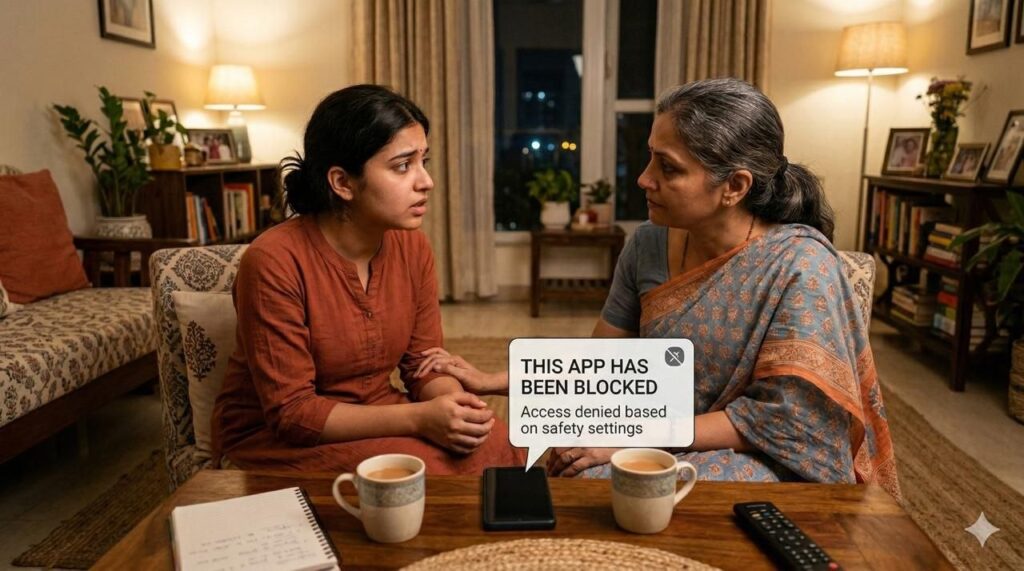
So, what now? Here are smart, actionable tips tailored for India’s 15-45 crowd:
- Switch to Safe Gaming: Explore approved e-sports platforms, free-to-play fantasy apps, or social games with no real-money stakes. Many former betting users are thriving in competitive gaming tournaments that reward skill, not luck.
- Track Your Habits: Use phone screen-time tools or apps like digital detox timers. Set weekly “no-bet” challenges with friends.
- Spot the Red Flags: Avoid any site promising “guaranteed wins,” pressuring quick deposits, or operating without clear licensing. Report suspicious links to cyber crime portals.
- Seek Support: If addiction feels real, talk to family or helplines like the National Gambling Helpline or local counsellors. Many NGOs now offer free sessions focused on youth digital wellness.
- Build Better Routines: Channel the thrill into hobbies — joining a cricket academy, learning stock market basics legally, or even starting a YouTube channel reviewing free games.
- Stay Informed: Follow official MeitY updates on gaming regulation enforcement to avoid accidental violations.
Desi Hacks for Smarter Digital Choices
Pair your phone detox with Indian twists: morning chai with family instead of late-night app scrolls, weekend park cricket instead of virtual bets, or group board game nights during festivals. Small changes, big wins for your wallet and well-being.
Wrapping It Up: To Bet or Not to Bet? A Safer Digital Future
The government’s tightening noose on online betting — with 300 more apps blocked under the new Gaming Act — isn’t black-and-white. For some young Indians, it’s a lifesaver, curbing addiction and financial pitfalls amid online gambling crackdown 2026. For others, it feels like lost freedom or economic opportunity. The key difference lies in how we adapt: responsibly, creatively, and with eyes open to both risks and rewards.
PROGA enforcement signals a shift toward a healthier digital ecosystem — one that protects without completely erasing fun. Whether you’ve felt the sting of losses, celebrated a win, or are simply curious about illegal gaming sites fallout, one thing is clear: awareness is your best bet now.
What’s your take? Have you or someone you know been affected by the online betting ban India or PROGA blocks? Share your story in the comments below — let’s learn from each other and build smarter habits together. Stay safe, play responsibly, and keep the conversation going. Your feedback helps us all navigate this evolving digital landscape.
You May Like This
1


Advertisement
You May Like This








Advertisement
Advertisement
Advertisement