
Advertisement

- Updated on April 15, 2026
- IST 10:17 am
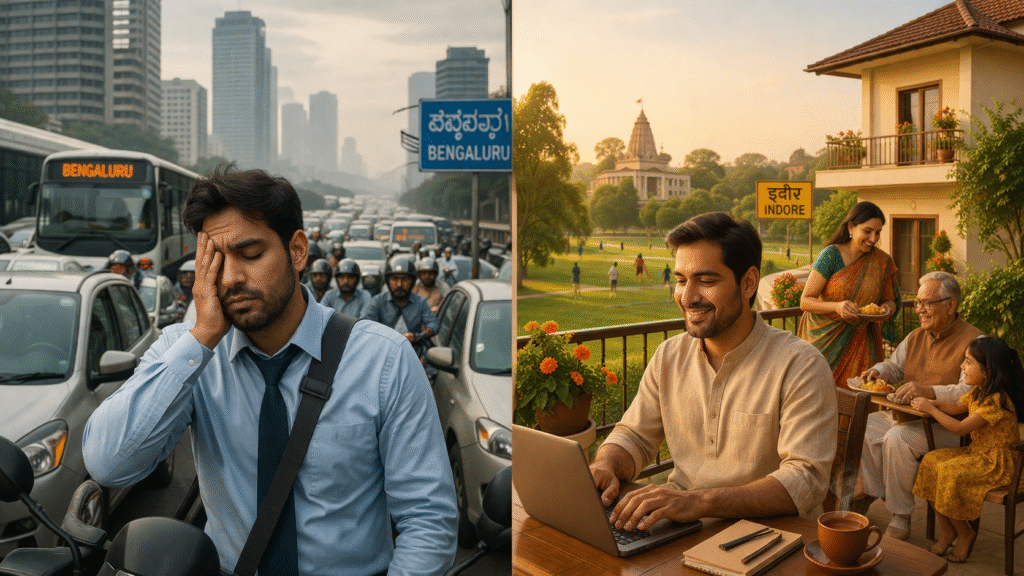
Imagine this: Rajesh, a 32-year-old software engineer from Bengaluru, had it all figured out—or so he thought. High-paying IT job, swanky apartment in Whitefield, weekend brunches with friends, and the buzz of the city that never sleeps. But after three years of 90-minute commutes, skyrocketing rents eating half his salary, and constant burnout from the metro hustle, he packed his bags. Armed with a fully remote role from his multinational company, he moved back to his hometown in Indore. Six months later, he’s breathing easier, saving ₹40,000 monthly, spending evenings with his parents, and even starting a weekend side hustle teaching coding to local kids. “It feels like I finally got my life back,” he tells his old college group chat.
Now, picture Priya, 29, a marketing manager who left Delhi for her roots in Lucknow. She too went remote, dreaming of lower costs and family time. But reality hit hard: spotty internet during monsoons, fewer professional networking events, subtle family expectations pulling her into household duties, and a nagging fear that her career growth had stalled while metro colleagues climbed faster. “I saved money, but I feel stuck,” she confides to a friend over a late-night call. “Was this the right move?”
So, what’s the real story behind reverse migration in India? With remote work exploding, thousands of professionals are trading metro chaos for Tier-2 and Tier-3 hometowns—keeping their high salaries while slashing expenses and reclaiming peace. But is it a smart lifestyle upgrade or a hidden trap? In this deep dive, we unpack the benefits, the unseen costs, and practical ways to make the shift work for Indian professionals aged 25-40 who are rethinking their careers and lives. Let’s explore this game-changing trend together.
Understanding Reverse Migration: The New Indian Workforce Reality
Reverse migration isn’t new to India. We’ve seen waves during economic shifts or crises, but the post-2020 version is different. Thanks to widespread remote and hybrid work, professionals aren’t fleeing jobs—they’re relocating while keeping them. Data from 2024-2025 shows hiring in Tier-2 and Tier-3 cities surging 25-35% year-on-year, with job openings up 41% in places like Jaipur, Indore, Coimbatore, and Lucknow. Global Capability Centres (GCCs) are expanding 15-20% into these hubs by 2025, and reports indicate 60-90 million Indians could be working remotely or hybrid by now.
Think of it like a seesaw finally balancing: metros offered opportunities but crushed under high living costs and stress. Tier-2 cities offer affordability and familiarity. A 1BHK in Bengaluru or Mumbai easily costs ₹25,000-40,000 monthly in rent plus commutes and lifestyle inflation. Back home? You might pay ₹8,000-15,000 for something bigger, with lower grocery and transport bills. Salaries stay the same if you’re remote, so suddenly your take-home feels like a promotion.
But it’s not just money. India’s young workforce—millennials and Gen Z between 15-45—are craving quality of life. Pollution, traffic, and isolation in metros have taken a toll. Moving back means proximity to family, fresh air, and cultural roots. Yet, with remote work still evolving, this trend raises big questions: Does it boost mental health and savings, or does it quietly erode career momentum and social connections?
The Pros: Why Reverse Migration Feels Like a Win
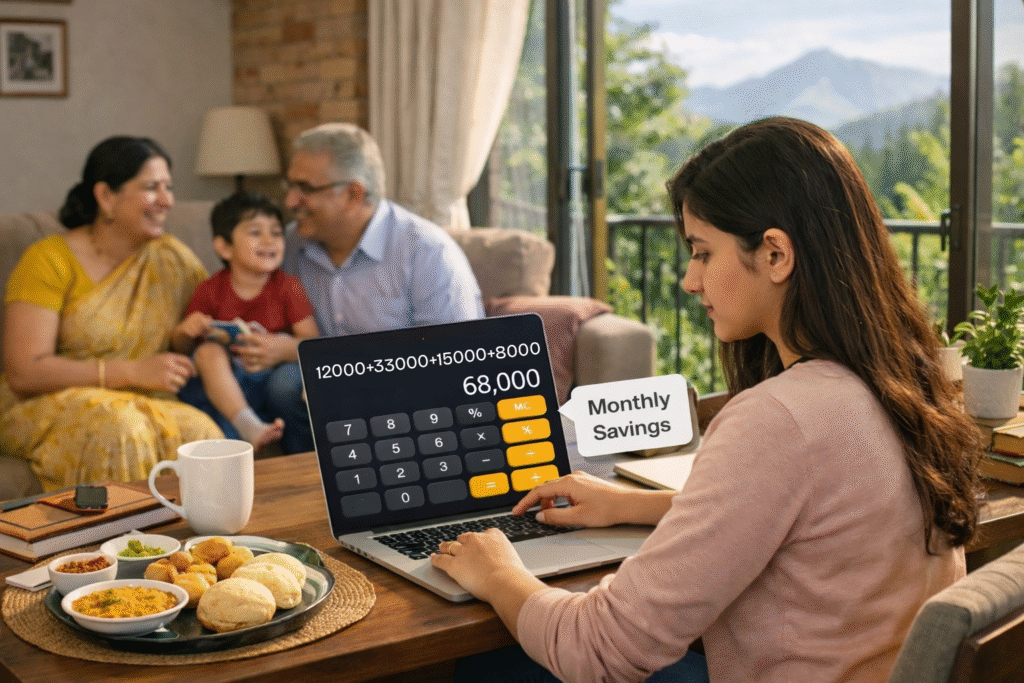
Let’s start with the upside—because for many, the benefits are life-changing and very real.
First, massive savings on cost of living. In metros like Delhi or Hyderabad, a comfortable lifestyle can gobble ₹50,000-80,000 monthly after taxes. Shift to a Tier-2 city, and the same quality drops to ₹25,000-40,000. Rent alone can halve. Groceries, eating out, and utilities follow suit. Rajesh in our story now invests the extra cash in mutual funds and even helped his parents renovate their home. Studies and real reports confirm: professionals save 30-50% easily, turning high metro pay into wealth-building fuel.
Second, mental health and work-life balance improve dramatically. Metro life often means 2-3 hour daily commutes, air pollution spiking anxiety, and constant FOMO from social media. Back home, shorter or no commutes mean more sleep, exercise, and time for hobbies. Family support reduces loneliness—grandparents help with kids, siblings become your support circle. Anecdotes from returnees highlight lower stress, better sleep, and even reduced burnout. For women especially, it’s empowering: less safety worries in familiar neighborhoods and more flexibility to balance career with caregiving.
Third, it supercharges local economies. When skilled professionals return with metro salaries, they spend locally—boosting real estate, cafes, co-working spaces, and small businesses. Housing demand in Tier-2 cities is rising, infrastructure is improving, and communities thrive. Think new gyms, organic stores, and startup meetups popping up in Indore or Bhubaneswar. This creates a virtuous cycle: better local jobs, retained talent, and reduced brain drain.
Finally, cultural and emotional reconnection. Festivals like Diwali or Holi feel authentic again, not rushed between Zoom calls. You rediscover regional food, traditions, and a sense of belonging that metros often dilute. It’s like hitting reset on your Indian identity while keeping global paychecks.
The Cons: The Unseen Costs That No One Talks About

But here’s the balanced truth—reverse migration isn’t all sunshine and savings. There are real downsides that can catch you off guard.
Career stagnation is a big one. Metro hubs like Bengaluru or Gurgaon are networking goldmines—conferences, mentorship, quick promotions. In Tier-2 towns, opportunities for visibility, upskilling events, or face-time with bosses shrink. Some returnees report slower appraisals or feeling “out of sight, out of mind.” If your role requires collaboration or innovation sparks from office culture, remote setups in smaller cities can feel limiting without deliberate effort.
Infrastructure and daily hassles add friction. Internet reliability dips during rains in many Tier-2 areas. Healthcare options might be basic compared to metro super-specialty hospitals. Public transport, entertainment, or even reliable delivery services lag. Priya’s story rings true for many: power cuts during work hours or fewer child-friendly options if you have a family.
Social and family dynamics can shift unexpectedly. Parents might assume you’re “free” now for chores or matchmaking pressures. Old friends have moved on; building new circles takes work. Reverse culture shock hits—after years of metro independence, adjusting to smaller-town pace or gossip can feel claustrophobic. Mental health studies on returnees note anxiety from readjustment, especially if finances tighten due to unexpected local costs creeping up (Tier-2 inflation is rising too).
Gender and age nuances matter. Younger singles might miss the vibrant dating or social scene. Working women sometimes face added domestic loads. And for those under 25 or fresh grads, the trend feels less appealing without established remote roles.
Finally, broader economic ripple effects: sudden talent influx can temporarily depress local wages in some sectors or strain resources if infrastructure doesn’t keep pace.
The Indian Twist: Blending Remote Work with Desi Realities
This trend carries a uniquely Indian flavor. Our culture values family and roots deeply—Karva Chauth, family weddings, or just Sunday lunches gain new meaning when you’re home. Remote work lets you honor that without sacrificing ambition.
Yet, desi kitchens and lifestyles mix in challenges. High-carb home meals (rotis, rice) can clash with metro-honed fitness routines if gyms are scarce. Festivals mean social obligations that eat into focused work time. And in conservative Tier-2 setups, women returning solo might navigate safety perceptions or neighbor judgments.
The positive spin? Many use this as a launchpad for side ventures—local tutoring, e-commerce reselling regional crafts, or freelance consulting. Co-working spaces are booming in Tier-2 cities, blending global remote tools with chai breaks and desi networking.
Real Stories: Triumphs, Tumbles, and Lessons
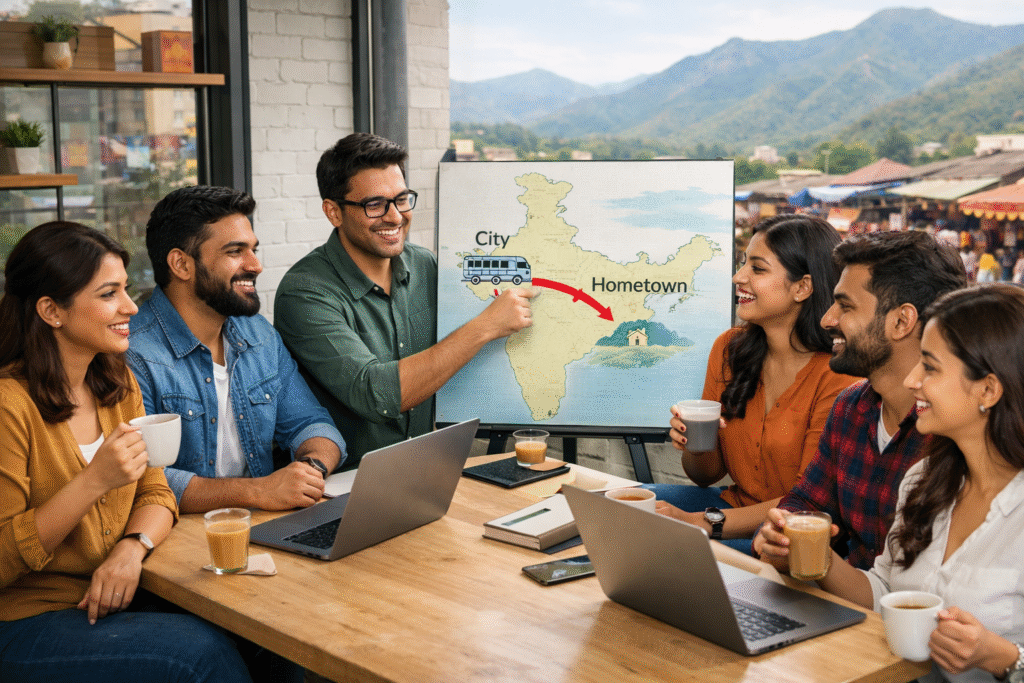
Let’s hear from those living it.
- Rahul, 34, Pune to Nashik: Switched to remote sales. Saved ₹35,000 monthly, bought a plot for his dream home. “Family time healed my anxiety,” he says. But he misses tech conferences—now he attends virtually and hosts local ones.
- Sneha, 27, Mumbai to Surat: Marketing pro who thrived initially with lower costs and yoga in her backyard. Then family expectations grew. “I had to set boundaries,” she shares. After six months of negotiation, she’s balanced both worlds.
- Vikram, 31, Delhi to Dehradun: IT consultant loving the mountains and fresh air. Career slowed slightly, but he upskilled online and now mentors youth. “Quality of life > title,” he believes.
These stories show it’s personal—no one-size-fits-all.
Making Reverse Migration Work: Practical Tips for Success

Ready to consider the move? Here’s how to do it smartly:
- Test the Waters: Start with a 3-month trial. Visit home, work remotely for a week, and assess internet, healthcare, and vibe.
- Negotiate with Your Employer: Secure written remote policy approval. Highlight productivity gains and retention benefits.
- Build Infrastructure: Invest in backup power, high-speed broadband (fiber where available), and a dedicated home office. Join co-working if needed.
- Plan Finances Realistically: Track Tier-2 inflation. Budget for occasional metro trips for networking.
- Prioritize Mental Health: Set boundaries with family. Join local professional groups or online communities. Track mood and energy.
- Upskill Proactively: Use online courses, virtual events, and LinkedIn to stay visible. Consider hybrid visits quarterly.
- Involve Family Early: Discuss expectations openly to avoid resentment.
- Give Back Locally: Volunteer skills—build community and fulfillment.
The Bigger Picture: Reshaping India’s Future
This wave is transforming Tier-2 cities into talent magnets. Local economies boom with new spending, real estate heats up, and governments push incentives. Yet metros won’t empty—they evolve into innovation hubs while smaller cities handle execution. It’s decentralization at its best, reducing urban pressure and spreading prosperity.
Critics worry about inequality if only remote-eligible professionals benefit. But overall, it signals maturity: India’s workforce designing lives on their terms.
Wrapping It Up: To Migrate Back or Stay Put?
Reverse migration for work isn’t black-and-white. For some, it’s liberation—lower costs, stronger family bonds, renewed energy. For others, it’s a calculated risk with hidden hurdles like career plateaus or adjustment pains. The difference? Preparation, mindset, and alignment with your stage of life.
If the pull of home calls and your job allows remote flexibility, dip your toes thoughtfully. Weigh your savings calculator against your ambition dashboard. India’s changing fast, and so are our choices. What’s your story? Have you made the metro-to-Tier-2 leap, or are you contemplating it? Share in the comments below—we’re building a community of real experiences to help each other thrive. Your journey could inspire the next wave!
Let’s keep the conversation going. Subscribe for more on Indian workforce trends, remote life hacks, and quality-of-life resets. Your future self will thank you.
You May Like This



Advertisement

You May Like This








Advertisement

Advertisement

Advertisement