Advertisement

- Updated on April 15, 2026
- IST 3:04 am
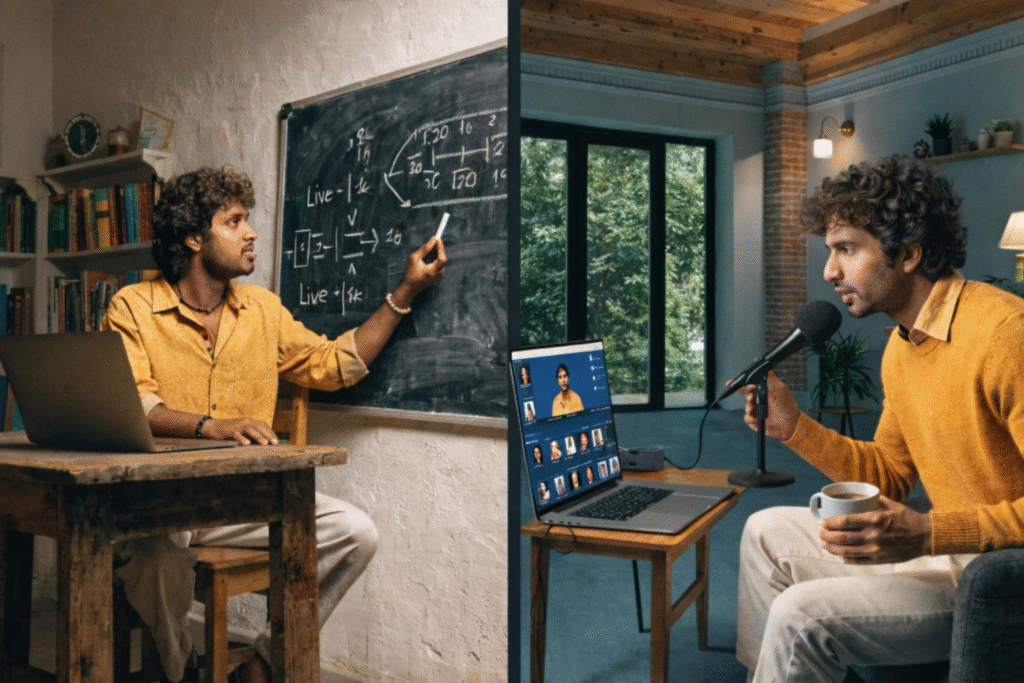
Imagine this: Raj, a 19-year-old from a small town in Uttar Pradesh, dreams of cracking the IIT entrance but can’t afford pricey coaching classes. Scrolling through YouTube one evening, he discovers Alakh Pandey—better known as Physics Wallah—breaking down complex physics problems with simple analogies, like comparing gravity to a desi tug-of-war. Within months, Raj’s scores soar, and he lands a spot in a top engineering college. “It’s like having a personal guru in my pocket,” he tells his friends, crediting the free videos for changing his life.
Now, flip to Meera, 25, from Mumbai, who’s juggling a corporate job and upskilling in finance. She follows Ankur Warikoo on Instagram, where his bite-sized reels on entrepreneurship and life hacks feel like coffee chats with a mentor. But lately, she’s overwhelmed—jumping from one influencer’s course to another’s paid webinar, only to feel like she’s chasing trends without real depth. “These edu-fluencers make learning fun, but is it all hype?” she wonders, as her feed floods with sponsored content.
So, who’s right? Are these “edu-fluencers”—Indian educators turning social media into virtual classrooms—a game-changer democratizing education for millions, or just another influencer fad monetizing knowledge? In a nation where over 250 million students navigate a rigid system, platforms like YouTube, Instagram, and TikTok are birthing a new breed of teachers. From viral physics lessons to career advice reels, they’re making complex topics simple, entertaining, and accessible. In this blog, we’ll profile top Indian edu-fluencers, dissect their teaching styles, explore their impact on bridging educational gaps, and reveal how they’re building lucrative careers. Plus, we’ll share tips for aspiring creators and learners alike. If you’re a student, parent, or lifelong learner, let’s unpack this digital revolution together!
Understanding the Edu-fluencer Phenomenon: From Chalkboards to Smartphones
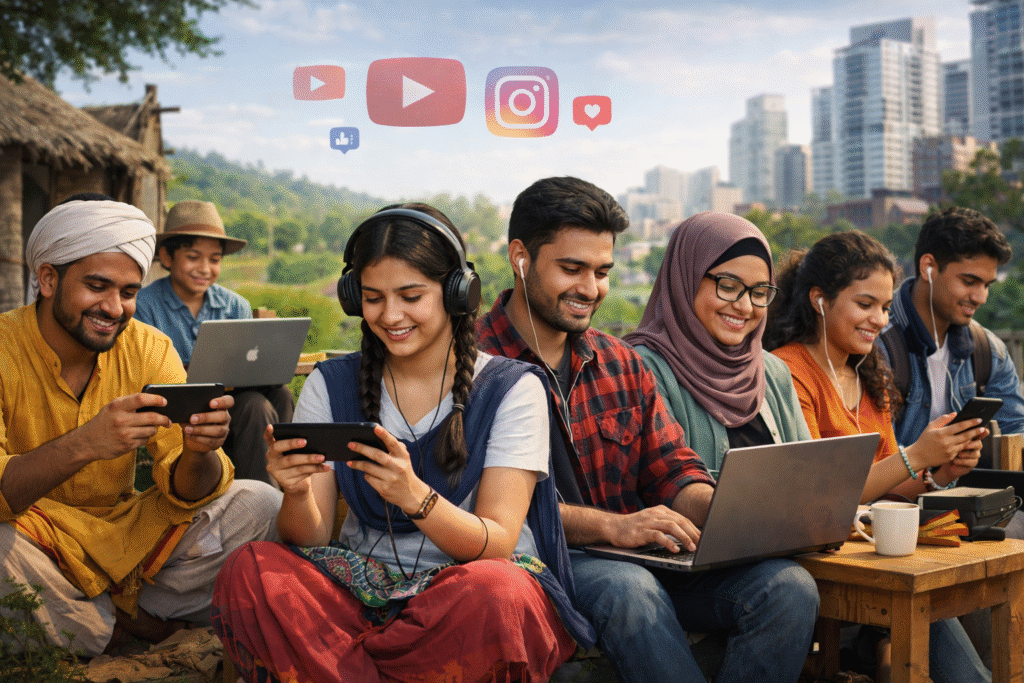
Let’s break it down—what exactly is an edu-fluencer? Think of them as the love child of a traditional teacher and a social media star. These are individuals who leverage platforms like YouTube, Instagram, TikTok, and even emerging ones like Threads or short-video apps to teach everything from competitive exam prep to soft skills, often with a dash of entertainment. Unlike formal educators tied to syllabi, edu-fluencers thrive on relatability—using memes, Bollywood references, and real-life stories to hook audiences.
In India, this rise isn’t accidental. With smartphone penetration hitting 800 million users by 2026 (as per recent Deloitte reports), and internet data cheaper than a cup of chai, learning has gone mobile. The pandemic accelerated it, pushing EdTech valuations sky-high—think Byju’s and Unacademy—but edu-fluencers operate independently, often starting from humble setups like a bedroom studio. A 2025 Statista study shows India’s online education market at $5 billion, with social media driving 40% of user engagement. For many, especially in tier-2 and tier-3 cities, these creators fill voids left by overcrowded classrooms or unaffordable tuitions.
But it’s more than convenience. Edu-fluencers humanize education. Remember cramming history dates? Now, imagine a reel explaining the Indus Valley Civilization through a funny skit. This shift democratizes knowledge, making it inclusive for diverse learners—from rural kids prepping for UPSC to urban professionals learning coding. Yet, as we’ll see, it’s not all rosy; quality varies, and the line between education and entertainment blurs.
Edu-fluencers Explained: Styles That Stick
What sets edu-fluencers apart? It’s their unique teaching styles—tailored for short attention spans in a scroll-heavy world. Here’s a peek at popular approaches:
- Storytelling Masters: They weave narratives around concepts. For instance, using analogies like “inflation is like your pocket money shrinking during Diwali sales” to explain economics.
- Visual Wizards: Heavy on infographics, animations, and demos. Physics lessons come alive with slow-mo experiments or AR filters on Instagram.
- Motivational Mixers: Blend education with pep talks. Reels end with “You got this!” to combat exam anxiety.
- Interactive Gurus: Live Q&A sessions, polls, and challenges encourage participation, turning passive viewers into active learners.
Popular platforms? YouTube for long-form tutorials (think 20-minute deep dives), Instagram and TikTok for quick tips (15-60 seconds), and LinkedIn for professional upskilling. The goal? Make learning addictive, like binge-watching a Netflix series.
The Big Debate: Do Edu-fluencers Empower or Exploit?
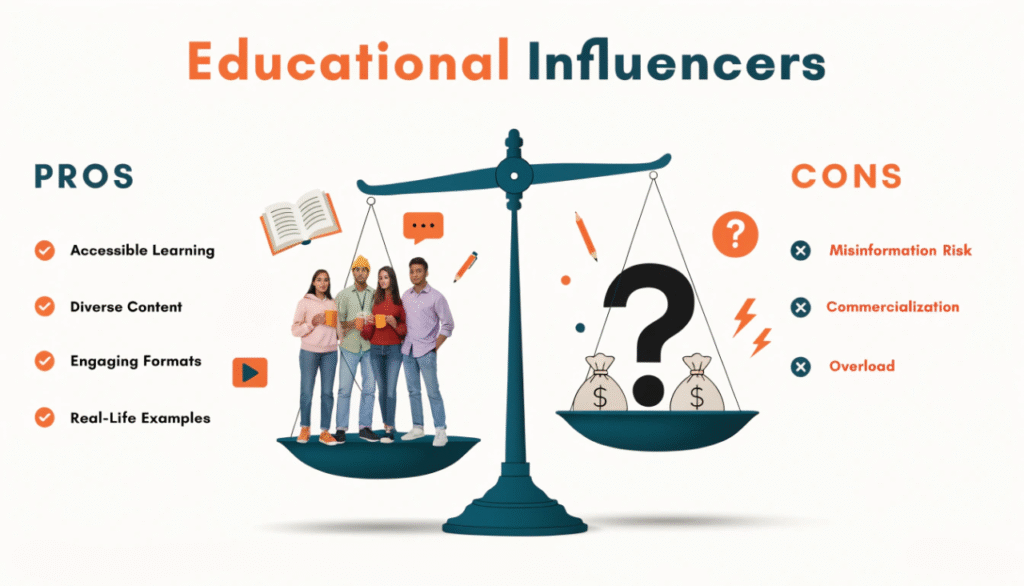
Here’s the juicy part—experts and users are split on whether this trend helps or harms. Let’s weigh the pros and cons, backed by insights from 2026 reports like those from KPMG and the Indian EdTech Consortium.
The Pros: Why Edu-fluencers Are a Boon
- Democratizing Access: In a country with stark educational inequalities—rural-urban divides, gender gaps—these creators level the field. A PwC 2025 survey found 65% of low-income students rely on free YouTube content for exams, reducing coaching costs by up to 80%.
- Engaging and Relevant: Traditional education often feels outdated; edu-fluencers update in real-time. For example, during the 2025 NEET reforms, influencers dissected changes instantly, helping millions adapt.
- Career Catalysts: Many build empires—selling courses, merch, or apps. This inspires youth entrepreneurship; a NASSCOM report notes EdTech creators earned $2 billion in 2025 via sponsorships and affiliations.
Take Alakh Pandey’s journey: Starting with free physics videos, he built Physics Wallah into a unicorn valued at $1.1 billion by 2026, employing thousands and reaching 10 million+ subscribers.
The Cons: Where It Might Backfire
- Quality Concerns: Not all content is accurate; misinformation spreads fast. A 2026 fact-check by AltNews flagged errors in 20% of viral history reels, confusing learners.
- Monetization Over Mission: Paid courses can feel scammy—high prices, low value. Critics argue it exploits aspirants’ desperation, with some influencers pushing unverified “success formulas.”
- Burnout and Superficiality: Short-form content prioritizes virality over depth, leading to “snackable” knowledge without critical thinking. Psychologists warn of increased anxiety from constant comparison on social media.
Meera’s experience echoes this: After buying multiple courses, she felt overwhelmed, questioning if the hype matched the substance. A Lancet study from 2025 linked heavy social media learning to higher stress among Indian youth.
Overall, while edu-fluencers bridge gaps, regulation—like verified credentials—could enhance trust.
The Indian Twist: Blending Tradition with Tech
Education in India isn’t just academics—it’s a cultural cornerstone, from gurukuls to family pressures like “Beta, doctor banoge?” Edu-fluencers add a desi flavor, mixing ancient wisdom with modern tools. Think explaining Vedic math via TikTok dances or UPSC ethics through Mahabharata stories.
Our diverse landscape amplifies this: In multilingual India, creators dub content in Hindi, Tamil, or regional languages, reaching non-English speakers. During festivals like Navratri, they tie lessons to myths, making it relatable. But challenges persist—poor internet in villages means audio podcasts thrive over video.
Economically, it’s transformative. With youth unemployment at 23% (ILO 2026), edu-fluencers teach employable skills like digital marketing or coding, often for free. Yet, the gender gap lingers; female creators like Diksha Arora inspire, but only 30% of top edu-fluencers are women, per a 2026 Influencer Marketing Hub report.
Real Stories: Triumphs and Tumbles of Top Edu-fluencers
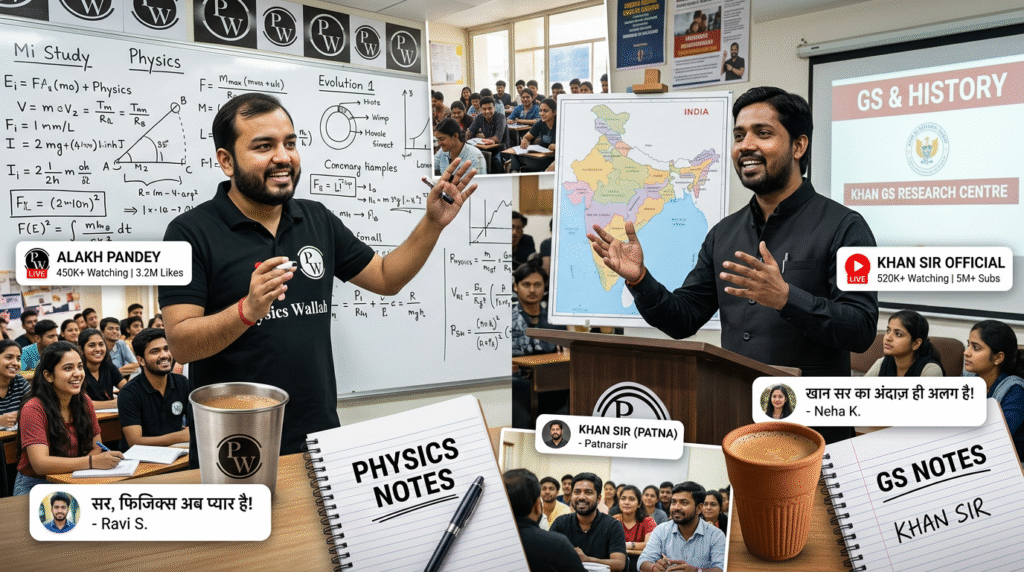
Let’s meet the stars shaping millions. These profiles, drawn from their public journeys and 2026 analytics, highlight diverse paths.
- Alakh Pandey (Physics Wallah): From a Bihar village, Alakh started YouTube in 2016 with basic physics tutorials. His style? Energetic, with real-world examples like “momentum is like a cricket ball’s swing.” By 2026, 13.5M subscribers, a $1B+ company, and apps for live classes. Impact: Democratized JEE/NEET prep; one student shared, “He made me believe a small-town kid can dream big.” Tumble: Faced plagiarism accusations in 2024, but bounced back with original content.
- Khan Sir (Khan GS Research Centre): Patna’s viral sensation, known for fiery general studies lectures in Bhojpuri-accented Hindi. Style: Humorous rants mixed with facts, like comparing politics to a “bazaar bargain.” 20M+ YouTube subs by 2026, focusing on UPSC/SSC. Impact: Free education for underprivileged; inspired a movie biopic. Tumble: Controversial political comments in 2025 led to backlash, but he apologized and refocused.
- Ankur Warikoo: Entrepreneur-turned-mentor, with 4M Instagram followers. Style: Candid reels on failure, like “Why I quit my job at 40.” Covers startups, personal finance. Impact: Books like “Do Epic Shit” sold millions; his webinars upskilled 500K+ professionals. Tumble: Critics say his advice is “elitist,” ignoring rural realities—he countered with free rural-focused series.
- Prashant Kirad (Next Toppers): Student motivator with 6M Instagram, 10M YouTube. Style: Emotional stories, like “From failing 10th to topping boards.” Impact: Mentored 1M+ via apps; reduced dropout rates. Tumble: Over-promotion of courses drew flak, but transparency improved engagement.
- Diksha Arora: Career coach, 2M Instagram. Style: Practical English tips with role-plays. Impact: Placed 1000s in jobs; empowers women in tech. Tumble: Early content was generic; pivoted to personalized mentoring.
These tales show resilience—starting small, facing hurdles, but impacting lives profoundly.
Becoming an Edu-fluencer: Tips to Get It Right
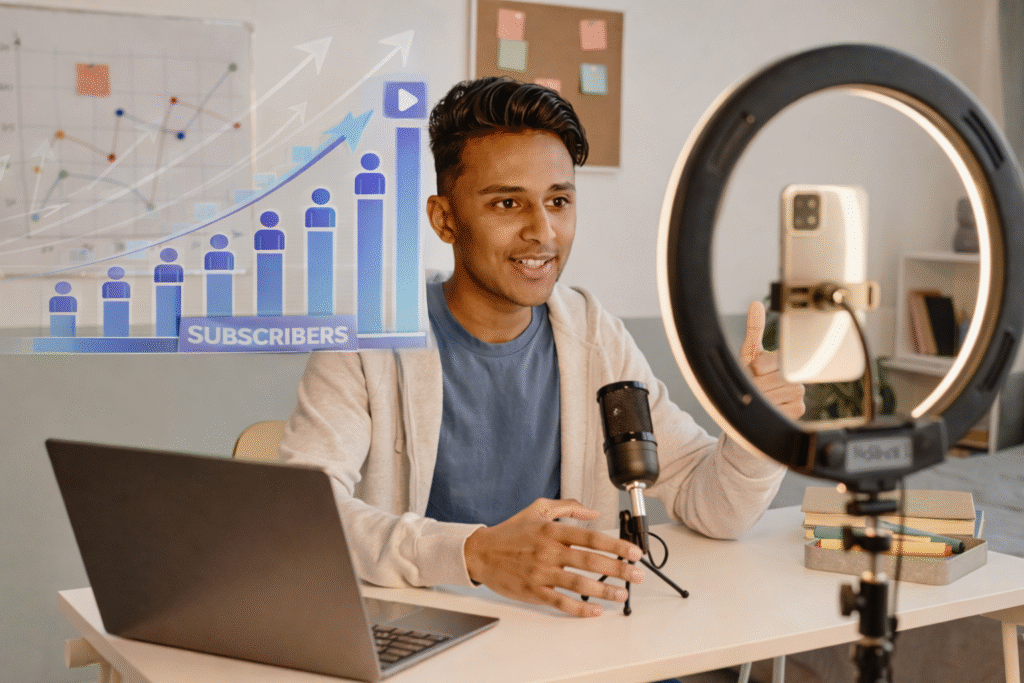
Inspired? Here’s how to launch your own journey safely and effectively:
- Find Your Niche: Specialize—math hacks or language skills? Research gaps via Google Trends.
- Build Authentically: Start with free content; use Canva for visuals, CapCut for edits.
- Engage Actively: Respond to comments, host AMAs. Consistency is key—post 3x weekly.
- Monetize Smartly: Affiliates first, then courses. Platforms like Teachable help.
- Stay Ethical: Cite sources, avoid false claims. Get certified if teaching academics.
- Collaborate: Partner with peers for cross-promotion.
Desi Career Hacks: Building a Lucrative Path as an Edu-fluencer
Turning passion into profit? Here’s a roadmap with Indian twists:
- Content Calendar: Plan around exams (JEE season) or festivals (back-to-school post-Diwali).
- Diversify Income: YouTube ads, Instagram sponsorships, e-books. Top earners make ₹50L+ annually.
- Audience Building: Use Hindi-English mix; target tier-2 cities with regional collabs.
- Tools of the Trade: Free like OBS Studio for recording, or paid like Kajabi for courses.
- Overcome Challenges: Combat trolls with positivity; network at events like VidCon India.
Avoid pitfalls like burnout—schedule breaks, like a weekly “digital detox” with family chai time.
Wrapping It Up: The Future of Learning in Your Hands
So, is the rise of edu-fluencers a blessing for India’s education landscape? Largely yes—they’re democratizing knowledge, making it fun and affordable, while building thriving careers. From Alakh’s empire to Diksha’s empowerment, they’re proving education can be entertaining without losing essence. But balance is key; as consumers, vet content, and as creators, prioritize value over virality.
If this sparked ideas, start today—watch a reel, enroll in a free course, or create your first video. Who’s your favorite edu-fluencer? Share in the comments—let’s build a community of learners! And if you’re aiming for that viral educator status, remember: It’s not about millions of views, but the one life you change.
You May Like This



Advertisement
You May Like This








Advertisement
Advertisement
Advertisement