Advertisement
- Updated on April 15, 2026
- IST 2:46 am
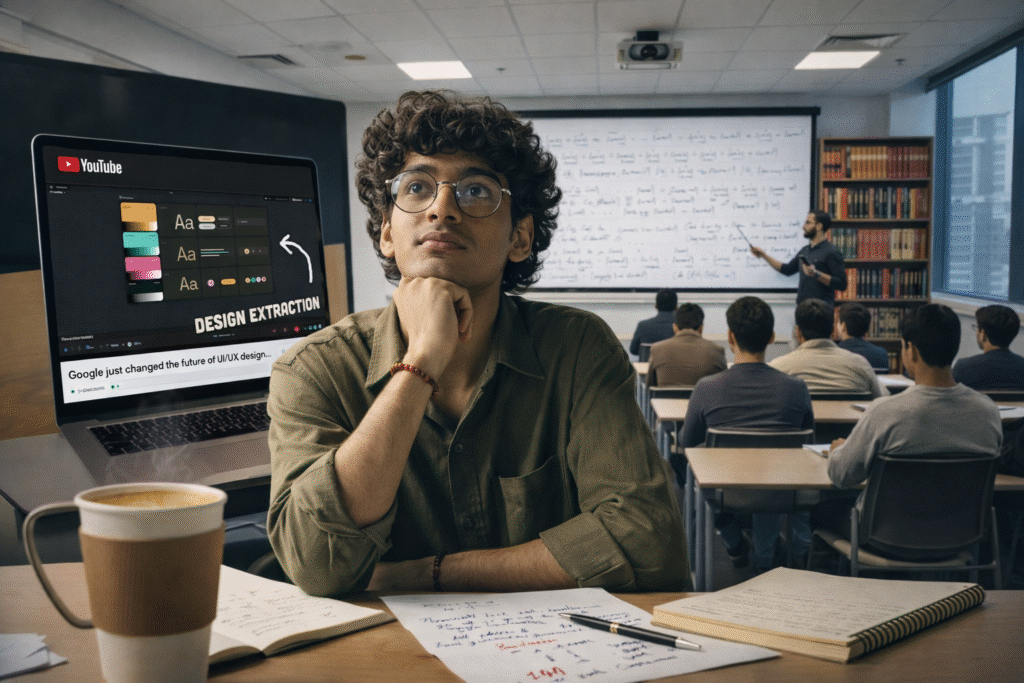
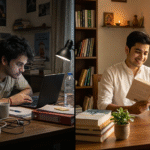
Imagine this: Rahul, a 22-year-old engineering student from Delhi, is struggling with complex algorithms in his computer science course. Late one night, scrolling through YouTube, he discovers a video by Khan Sir from Khan GS Research Centre. With his energetic style, real-world examples from Indian tech startups like Flipkart, and simple breakdowns using everyday metaphors—like comparing binary trees to a Mumbai local train network—Rahul finally gets it. He binge-watches the channel, aces his exams, and even lands an internship at a Bengaluru firm. “YouTube saved my degree,” he tells his friends, feeling empowered by the free, on-demand learning that fits his chaotic schedule.
Now, picture Sneha, a 19-year-old from Kolkata, preparing for her UPSC exams. She turns to her university professor, Dr. Anand Natarajan from IIT Kharagpur, known for his deep dives into political science and history. In classroom sessions and office hours, he shares peer-reviewed research, encourages debates on India’s constitutional evolution, and assigns readings from authoritative texts like Amartya Sen’s works. Sneha appreciates the structured guidance, the critical feedback on her essays, and the academic rigor that builds her analytical skills. Months later, she clears her prelims with flying colors. “My professor didn’t just teach facts; he taught me how to think,” she reflects.
So, who’s the real hero in the quest for knowledge—the charismatic YouTuber dishing out bite-sized wisdom or the seasoned professor upholding academic traditions? In 2026, with India’s education landscape exploding through digital platforms and traditional universities, this debate rages on. Knowledge credibility is at stake as millions of young Indians, aged 15-45, navigate YouTube education vs university learning. This blog explores the strengths and weaknesses of both, drawing from real trends in online education vs traditional setups. We’ll unpack content creators’ appeal, education influencers’ role, and provide a framework for source evaluation and digital literacy. Whether you’re a student, professional, or lifelong learner, let’s figure out trusted learning in the digital age together!
The Evolving Education Landscape in India: 2026 Edition
India’s education system in 2026 is a vibrant mix of ancient gurukul traditions and cutting-edge tech. With over 1.5 billion people and a youth bulge, the demand for quality learning is sky-high. Traditional universities like IITs, IIMs, and Delhi University continue to churn out top talent, but online platforms are revolutionizing access. According to recent reports, India’s EdTech market is valued at over $10 billion, growing at a CAGR of 25%, driven by AI-personalized learning and hybrid models.
Think of education as a bustling Mumbai street market: traditional stalls (universities) offer time-tested goods with expert curation, while street vendors (YouTubers) provide quick, affordable bites that cater to immediate cravings. The rise of online learning stems from the pandemic’s push, but in 2026, it’s matured into skill-based, micro-credential programs. Platforms like Unacademy and Physics Wallah boast millions of subscribers, teaching everything from JEE prep to coding bootcamps. Yet, universities counter with blended degrees, where online modules complement in-person rigor.
This shift raises questions about knowledge credibility. With misinformation rampant—fake news on social media influencing elections or health scares—digital literacy is crucial. Education influencers like Prashant Kirad (10M+ YouTube subscribers) make complex topics engaging, but do they match the depth of professors like Prof. Srivardhini K. Jha from IIM Bangalore, awarded for entrepreneurship education? Let’s delve deeper.
The Allure of YouTube Educators: Fast, Fun, and Free
YouTube education has democratized knowledge like never before. In 2026, Indian content creators are stars, blending edutainment with practical insights. Take Alakh Pandey of Physics Wallah: starting from humble Bihar roots, he now educates 20M+ students on physics and chemistry, using animations and desi analogies—like explaining quantum mechanics through a Diwali firecracker. His channel’s success lies in accessibility: no tuition fees, learn at your pace, and pause for chai breaks.
Strengths abound. First, flexibility suits India’s diverse workforce—think a 35-year-old IT professional in Gurugram upskilling in AI via Dear Sir’s English grammar videos while commuting. Second, engagement: YouTubers use storytelling, humor, and visuals to explain tough concepts. Diksha Arora, with her relatable study tips for board exams, incorporates personal anecdotes from her student days, making viewers feel like they’re chatting with a friend. Third, real-world application: Many creators, like Vijender Chauhan, tie lessons to job markets, discussing how Python coding lands gigs at Infosys.
But it’s not all rosy. Weaknesses include lack of accreditation—watching a video doesn’t earn a degree—and potential inaccuracies. Without peer review, a viral video might oversimplify, leading to misconceptions. Plus, algorithm-driven content prioritizes views over depth, sometimes promoting sensationalism over substance.
The Pillar of Professors: Depth, Discipline, and Degrees
On the flip side, university professors embody trusted learning through rigorous academia. In 2026, Indian institutions like IISc Bangalore and JNU lead with research-driven teaching. Prof. Annapurni Subramaniam, Director of the Indian Institute of Astrophysics, exemplifies this: her lectures on stellar evolution draw from cutting-edge studies, fostering critical thinking among students.
Pros are evident. Authority stems from credentials—PhDs, publications in journals like Nature—and institutional backing ensures accuracy. Professors provide structured curricula, mentorship, and networking, crucial for careers. For instance, at IIMs, faculty like Prof. Sanghamitra Bandyopadhyay integrate data science with real Indian case studies, such as analyzing election patterns. This builds holistic skills, from ethics to collaboration.
However, drawbacks exist. Traditional education can be rigid, expensive (IIT fees run lakhs), and inaccessible for rural youth. Lectures might feel monotonous compared to YouTube’s flair, and outdated syllabi sometimes lag behind fast-evolving fields like AI.
The Big Debate: YouTuber Strengths vs. Professor Authority
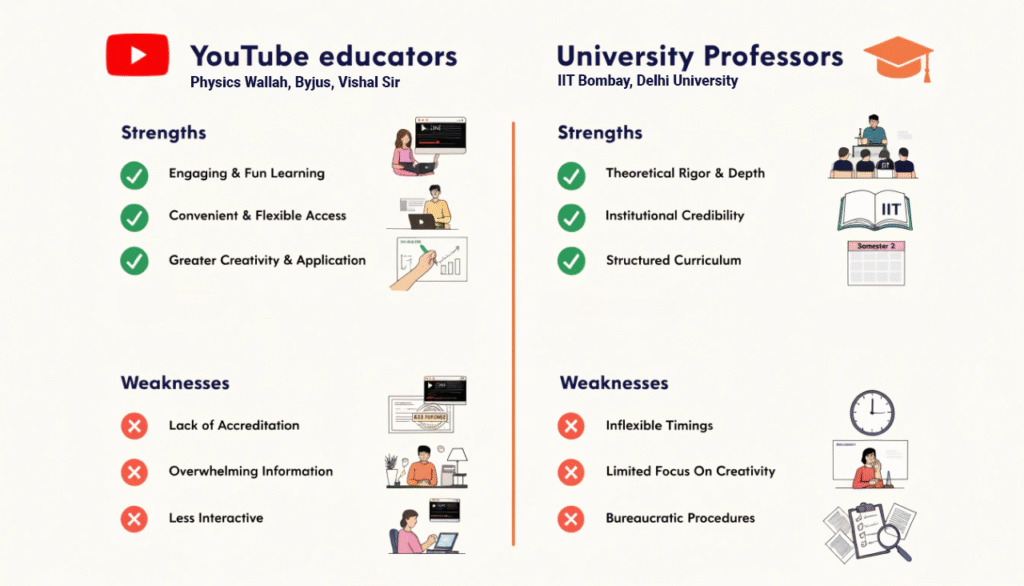
Here’s where it gets intriguing—pitting YouTube education vs university in a balanced showdown.
Pros of Trusting YouTubers for Knowledge:
- Accessibility: Free or low-cost, reaching remote areas where universities are scarce.
- Engagement: Bite-sized videos with visuals keep attention spans hooked, ideal for 15-25-year-olds juggling studies and social media.
- Innovation: Creators like Manisha Saini update content rapidly, covering 2026 trends like metaverse learning.
- Diversity: Multiple perspectives from independent voices, unlike standardized university texts.
Cons of YouTube Education:
- Credibility Gaps: No formal vetting; a popular video might spread myths, like unverified health tips.
- Superficial Depth: Great for basics, but lacks advanced discourse or hands-on labs.
- Monetization Bias: Sponsored content could skew info toward products.
Pros of Relying on Professors:
- Expertise: Backed by research, ensuring knowledge credibility.
- Holistic Development: Debates, assignments build soft skills like teamwork.
- Certification: Degrees open doors—think IAS officers crediting university prep.
- Accountability: Institutions enforce ethical standards.
Cons of Traditional University Learning:
- Pace: Slow updates; a 2026 syllabus might ignore emerging tech like quantum computing.
- Exclusivity: Entrance exams like NEET exclude many.
- Cost and Time: Years of commitment vs. YouTube’s quick wins.
Real Stories: Triumphs and Pitfalls from Indian Learners
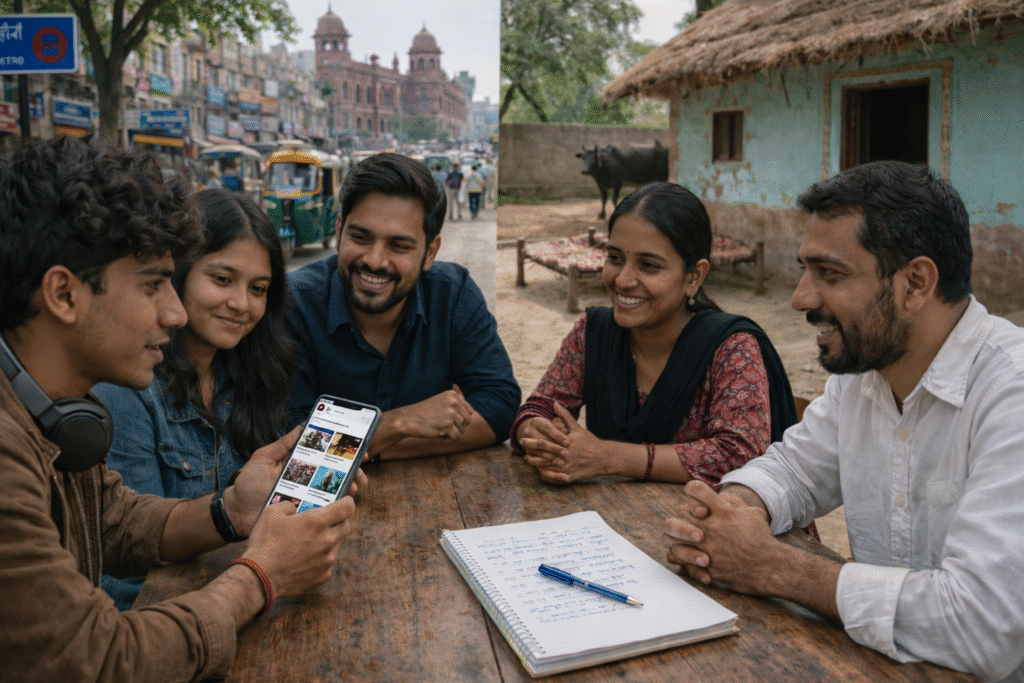
Let’s hear from those in the trenches. Arjun, 28 from Chennai, credits YouTuber Awal Madan for mastering digital marketing. “His free tutorials on SEO and content creation got me a job at a startup—faster than any degree.” But he warns, “I cross-checked with books to avoid errors.”
Contrast with Priya, 24 from Mumbai, who pursued an MBA at IIM Ahmedabad. “My professor’s case studies on Indian startups like Zomato taught me strategy deeply. YouTube was fun for overviews, but university gave me the edge in interviews.”
Then there’s Vikram, 17 from a Rajasthan village, who blended both: YouTube for JEE math via EduGorilla, and local coaching (professor-style) for doubts. “YouTube made it affordable, but teachers ensured accuracy.”
These tales highlight hybrid approaches win in 2026’s education trends.
Building Digital Literacy: A Framework for Source Evaluation
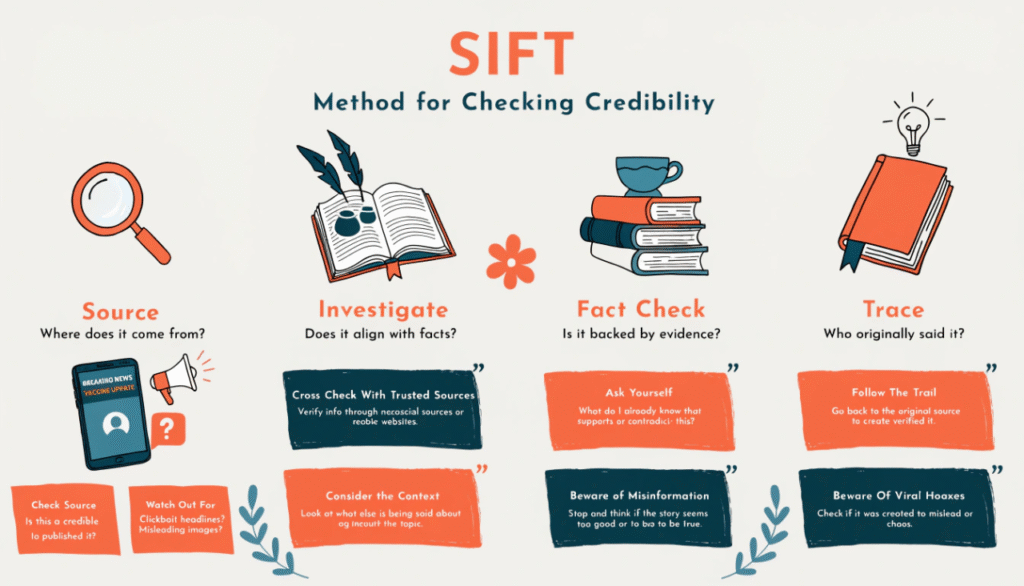
To navigate this, arm yourself with tools for evaluating credibility. Use the SIFT method: Stop (pause before believing), Investigate the source (check author’s credentials—PhD vs. self-taught?), Find trusted coverage (corroborate with sites like BBC or academic journals), Trace claims (follow citations).
For YouTubers: Verify via subscriber reviews, cross-reference with university sites. For professors: Check publications on Google Scholar.
Key Checklist:
- Authority: Credentials and affiliations?
- Accuracy: Fact-checked with evidence?
- Bias: Sponsored or agenda-driven?
- Currency: Updated for 2026 trends?
- Purpose: Educate or entertain/sell?
This framework empowers trusted learning.
Tips for Smart Knowledge Consumption in the Digital Age
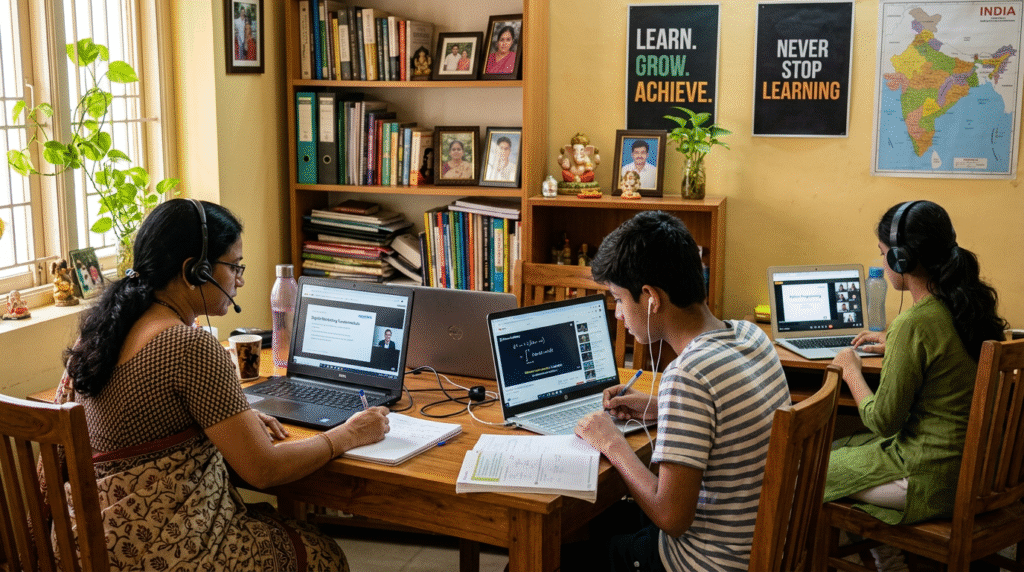
- Blend Sources: Use YouTube for intros, professors for depth—like watching a TED Talk then reading the book.
- Fact-Check: Tools like FactCheck.org or India’s PIB for verification.
- Engage Actively: Join forums, ask questions—Reddit’s r/India or university clubs.
- Prioritize Skills: Focus on critical thinking over rote facts.
- Stay Updated: Follow 2026 trends like AI tutors via apps.
- Seek Mentorship: Combine online with real-world guidance.
- Build Habits: Set learning goals, track progress.
Wrapping It Up: Trust Wisely, Learn Boldly
In the YouTuber vs. professor debate, there’s no clear winner—it’s about context. For quick skills, YouTube shines; for credentials and depth, universities rule. In 2026, hybrid models blending both offer the best of knowledge credibility and accessibility.
What’s your take? Trusted a YouTuber or professor more? Share in comments—let’s build a community of smart learners!
You May Like This

Advertisement

You May Like This






Advertisement

Advertisement

Advertisement