India’s gamer population had gone up every single year anyone has measured it.
In 2026 it went down — from about 609 million to 555 million, a fall of roughly 9 per cent.
That is the first decline on record, and it has a single, identifiable cause: the Promotion and Regulation of Online Gaming Act.
What the law actually does
The Act was passed on 22 August 2025. It did not take effect until 1 May 2026, and the nine-month gap is why the real damage only became visible this year.
The law splits online gaming into three buckets and treats them very differently.
E-sports is recognised and promoted — for the first time in Indian statute, competitive gaming is a legitimate sporting activity with government backing.
Online social games — anything without money staked on the outcome — are permitted and registered.
Online money games are prohibited outright. Not licensed, not taxed, not restricted by age. Banned, along with advertising them and processing payments for them.
The critical point, and the one most commentary got wrong at the time: the Act makes no distinction between games of skill and games of chance. Two decades of Indian litigation had turned on that distinction. Rummy and fantasy sport had won repeatedly on the argument that they were predominantly skill-based. The Act simply removes the question. If real money is staked on the outcome, it is prohibited.
A $2.3 billion category, gone
Real-money gaming was not a side business. It was the business.
The category was worth roughly US$2.3 billion and accounted for the overwhelming majority of Indian gaming revenue. Everything else — casual games, in-app purchases, e-sports, advertising — ran on a fraction of it.
Within weeks of the Act taking effect, the largest operators shut their real-money products in India. Write-downs disclosed across the sector run to more than US$840 million.
This is the part that gets lost in the argument about whether the ban was right: the money did not migrate to other Indian gaming products. It stopped.
Where the 54 million players went
A 54 million drop does not mean 54 million people stopped playing games entirely.
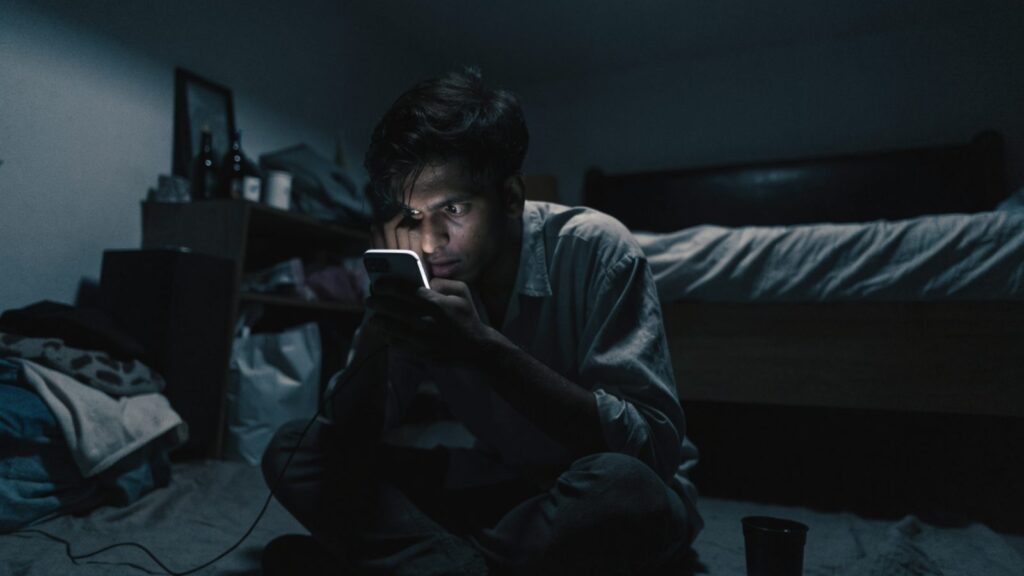
Most of that number is people who only ever played one kind of game — fantasy cricket around an IPL season, a rummy app, a poker table — and had no reason to open anything else once it was gone.
Some portion has moved to offshore platforms that the Act cannot practically reach. Nobody has a credible figure for how large that portion is, and anyone quoting one precisely is guessing. Payment-blocking makes it harder, not impossible.
That is the standard, predictable consequence of prohibition in a digital market, and it is the strongest argument the industry has: a regulated, taxed, age-verified domestic market would at least have been visible.
The jobs number everyone is misquoting
Two figures are circulating, and they are being used interchangeably. They should not be.
Roughly 7,000 direct jobs have been lost — people employed by real-money gaming companies, most of them in Bengaluru, Gurugram, Hyderabad and Mumbai.
The figure above 200,000 that appears in industry submissions counts the indirect ecosystem: freelance creators, affiliate marketers, customer-support vendors, payment intermediaries, regional-language content producers and the agencies that served them.
Both are real. They are not the same thing, and presenting the larger one as a redundancy count is misleading. The direct loss is a mid-sized corporate restructuring. The indirect loss is harder to verify and considerably wider — a lot of the creator economy around fantasy sport was informal income that never showed up in an employment statistic to begin with.
What survived, and what is actually growing
The Act was not purely destructive, and treating it as such misses what is happening next.
E-sports now has statutory recognition, which changes what is possible around it — sponsorship from brands that previously would not touch Indian gaming, school and university programmes, and a plausible route to public funding.
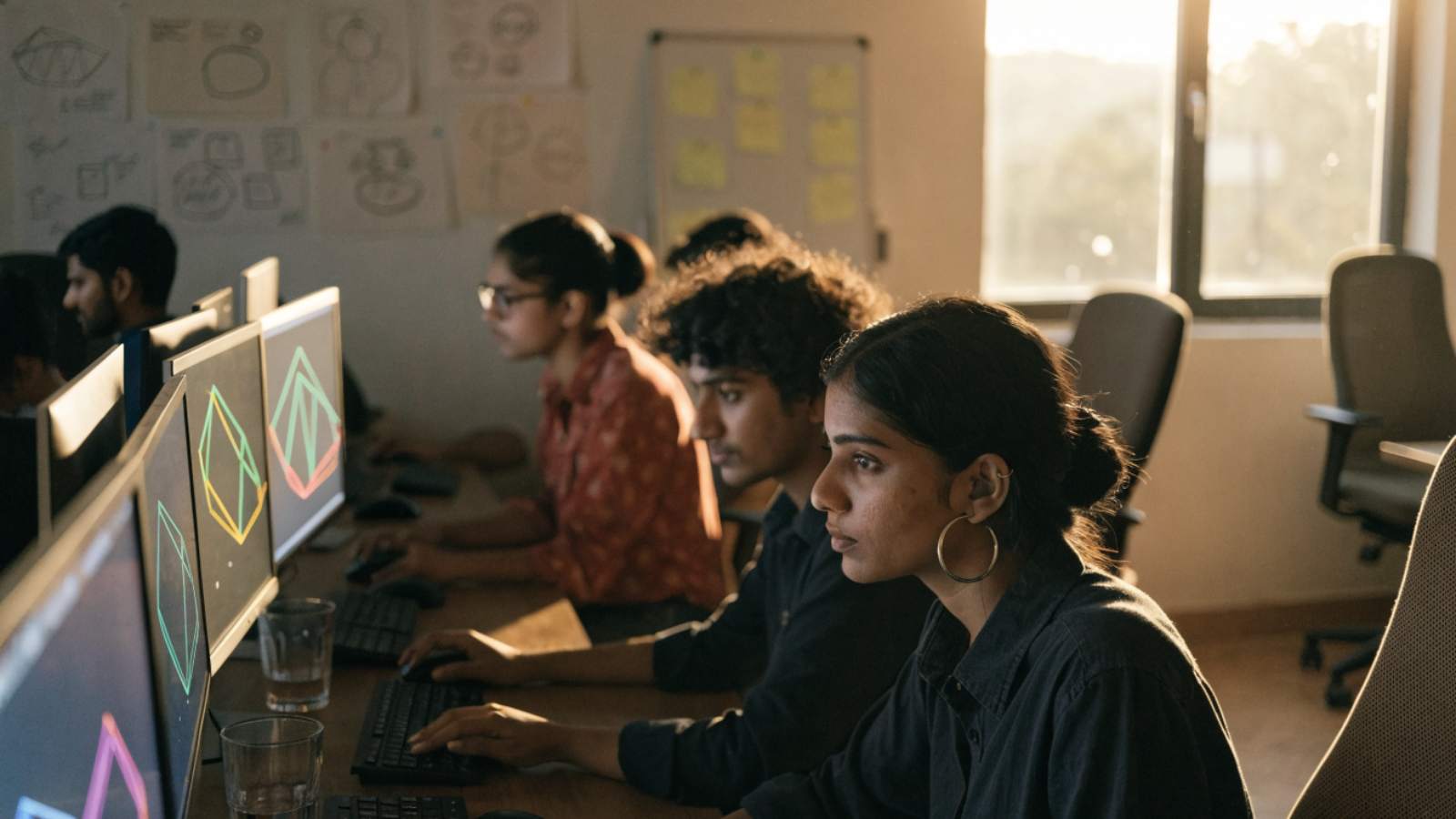
Casual and mid-core mobile gaming was never the target and continues largely untouched. India’s game development sector — studios building for global app stores rather than domestic wagering — is one of the few parts of the industry that is unambiguously better off, because the talent pool got cheaper and less contested overnight.
The honest summary is that India traded a large, profitable, socially contested category for a small, legitimate one, and is now waiting to see whether the small one compounds.
The case is still open
This is where reporting has been least careful, so it is worth stating precisely.
The constitutional challenge to the Act is pending before a three-judge bench of the Supreme Court. The petitioners argue the blanket prohibition is disproportionate and that it overrides settled law on games of skill.
As things stand: there is no interim stay, and there is no judgment. The Act is fully in force. Any claim that the ban has been struck down, softened or partially suspended is wrong.
A ruling could reopen the skill-versus-chance question that the statute closed. It could also uphold the Act entirely. Both outcomes are live, and the industry is planning for neither with any confidence.
What this episode actually demonstrates
India did something no comparably large market has done: it identified a fast-growing consumer internet category, concluded the social cost outweighed the economic gain, and removed it — accepting a measurable hit to investment, employment and tax revenue in exchange.
Whether that was the right call depends on a number nobody has: how much household financial harm the category was causing. The case for the ban rested on addiction and debt among young, low-income users. The evidence for it was real but largely anecdotal, and no government study has been published quantifying it against the losses now on the record.
That asymmetry is the story. The costs of the ban are precisely measured and publicly disclosed. The harm it was meant to prevent never was.
The Supreme Court will decide the legal question. The policy question — was this a good trade — will stay unanswerable until somebody measures the other side of it.