
Advertisement

- Updated on April 15, 2026
- IST 8:31 am
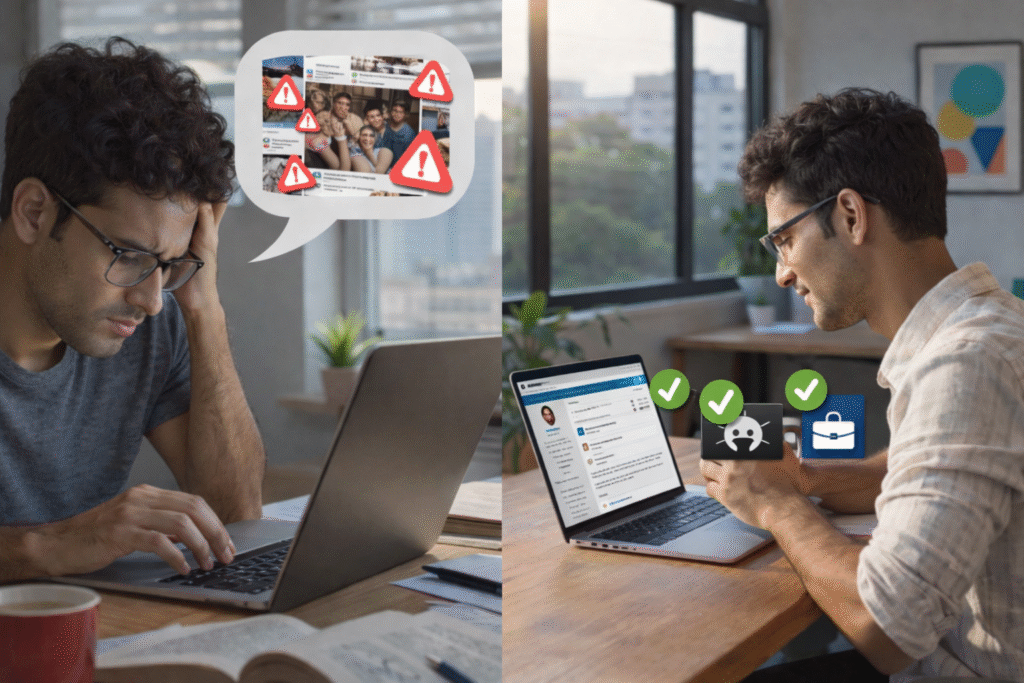
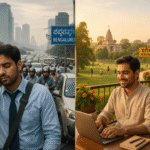
Imagine this: Vikram, a 26-year-old fresh engineering grad from Mumbai, had aced every campus interview on paper. Perfect CGPA, impressive internships, and a crisp PDF resume that screamed “hire me.” He applied to a dozen dream companies in Bengaluru’s tech hubs, confident his hard work would pay off. But weeks turned into months with radio silence. Then, during a casual catch-up with a recruiter friend, the truth dropped like a bombshell: “We loved your resume, but your old Instagram posts from college parties and those sarcastic rants about ‘corporate slavery’ on Reddit? They didn’t scream team player.” Vikram’s stomach sank. He had no idea his digital footprint was quietly tanking his chances. “One late-night scroll from three years ago, and poof—my career dreams vanished,” he later vented in a college alumni group, feeling exposed and defeated.
Now, picture Neha, 29, a marketing professional from Hyderabad who turned the same invisible force into her superpower. She didn’t just polish her resume; she curated her entire online presence like a personal brand. Thoughtful LinkedIn posts on campaign wins, a GitHub repo showcasing side projects, and even a clean Instagram feed blending professional tips with relatable desi life hacks. When she applied to a top fintech firm, the hiring manager didn’t just see her CV—he saw a proactive, creative collaborator ready to shine. Within weeks, she landed the role with a 35% hike. “It wasn’t luck,” Neha shares over a virtual coffee chat. “My digital footprint spoke for me before I even said hello in the interview.”
So, what’s the truth? Is your digital footprint a silent career killer or a secret weapon in 2025’s brutal job market? With AI-powered recruiters scanning everything from LinkedIn to forgotten Reddit threads, can a strong online presence really outshine a traditional CV? Or does one careless post derail years of effort? In this blog, we’ll unpack the hidden risks, the massive rewards, and the real-life experiences of young Indians navigating this new reality. Plus, we’ll share practical tips and desi-friendly hacks to build a digital CV that opens doors. Let’s dive in and figure this out together—because in today’s hiring game, what you can’t see might be what gets you hired… or ghosted.
Understanding the Invisible Resume: Your Online Shadow in the Job Hunt
First, let’s get the basics down. Your “invisible resume” isn’t a fancy new document—it’s the trail of data you leave behind every time you post, comment, like, or share online. Think of it as a shadow that follows you: social media profiles, GitHub commits, forum answers on Stack Overflow, even old blog comments or gaming leaderboards. In 2025, this digital footprint has become recruiters’ go-to tool for peeking beyond the polished PDF.
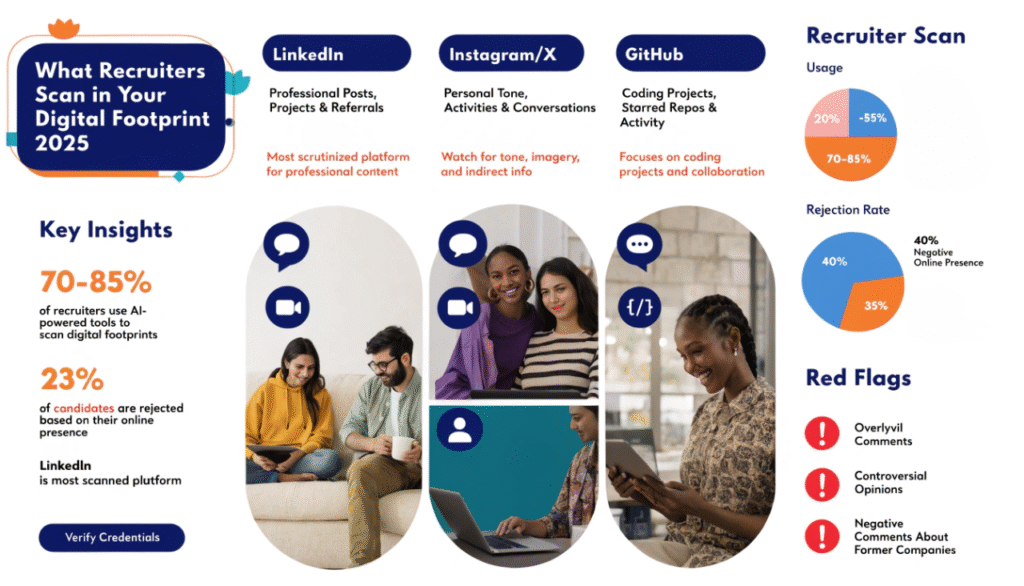
Unlike your formal CV, which you control tightly, your online presence spills the unfiltered truth about your personality, values, and work ethic. Employers in India and globally now use AI tools to scan these footprints at lightning speed. Stats show that 70-85% of recruiters actively check social media and online activity during hiring. Many have rejected candidates outright because of what they found—provocative posts, negative employer rants, or even just a complete absence of any professional online profile. It’s no longer just about skills on paper; it’s about cultural fit, communication style, and whether you’ll represent the company well.
For India’s 15-45 age group—freshers battling campus placements, mid-career pros switching jobs amid layoffs, or side-hustlers eyeing freelancing—this shift is game-changing. With over a million IT and non-IT jobs up for grabs but intense competition (thanks to booming sectors like fintech, e-commerce, and AI), your digital footprint can tip the scales. It’s like a 24/7 background check that happens before you even hit “submit” on Naukri or LinkedIn Easy Apply.
The Invisible Resume Explained: Beyond the PDF – What Recruiters Actually See
Forget the days when a strong resume alone got you in the door. Today’s hiring is all about the full picture—and AI makes it effortless. Recruiters don’t manually stalk profiles anymore; they use sophisticated tools that scrape public data across platforms, flag red flags, and score your “digital fit” alongside skills.
Here are the key pieces of your invisible resume that matter most:
- Professional Platforms: LinkedIn isn’t just a digital CV anymore—it’s your living portfolio. Recruiters scan for consistent achievements, thoughtful posts, and network quality. A strong profile with endorsements and articles can boost interview chances by showing initiative.
- Social Media & Forums: Instagram, X (formerly Twitter), Reddit, or Facebook reveal your real personality. AI tools now analyze tone, values, and even political leanings (sometimes skirting legal lines).
- Creative & Technical Repos: GitHub for coders, Behance for designers, or personal blogs show actual work ethic. One clean repo with real projects can outweigh a generic resume bullet.
- Everything Else: Old comments, YouTube likes, or even gaming profiles—AI connects the dots to predict teamwork, creativity, or risk.
The pitch? This holistic view helps companies avoid bad hires in a high-stakes market. But for young Indians juggling college, first jobs, or family pressures, it feels like living under a microscope. Does it make hiring fairer? Or just scarier? Let’s explore.
The Big Debate: Does Your Digital Footprint Help or Hurt Your Job Chances?
Here’s where it gets juicy—experts, HR pros, and job seekers don’t fully agree. Some hail it as a transparency revolution; others call it an unfair invasion. Let’s break it down with real insights.
The Pros: Why a Strong Digital Footprint Can Be Your Golden Ticket
- Stand Out in a Crowded Market: In India’s competitive landscape, where thousands apply for the same role, a polished online presence screams “proactive.” Recruiters report that candidates with active, professional profiles get 2-3x more interview calls.
- Show Real Skills & Personality: Resumes lie or exaggerate; your footprint shows authenticity. A developer with open-source contributions on GitHub proves coding chops better than any bullet point.
- Build Opportunities Passively: Strong personal branding attracts recruiters. Many land gigs via inbound messages on LinkedIn or X because their content demonstrated expertise.
Take Neha’s story: Her consistent posts on marketing trends turned her into a thought leader, landing her the fintech role without even applying aggressively.
The Cons: Where One Slip Can Cost You Everything
- Permanent Red Flags: AI scans catch everything—inappropriate jokes, discriminatory comments, or party photos from years ago. Surveys show 54% of employers have rejected candidates over social media finds.
- Bias & Privacy Risks: Not every recruiter is trained; unconscious bias creeps in. Plus, it blurs personal-professional lines, especially for Gen Z balancing fun and ambition.
- No Profile = Suspicion: Ironically, a blank online presence can hurt too—recruiters assume you’re hiding something or lack digital savvy.
Vikram learned this painfully: A single old post cost him multiple offers. The debate is clear—your footprint is a double-edged sword. Master it, and it elevates you; ignore it, and it quietly sabotages.
The Indian Twist: Digital Footprint Meets Bharat’s Job Hustle
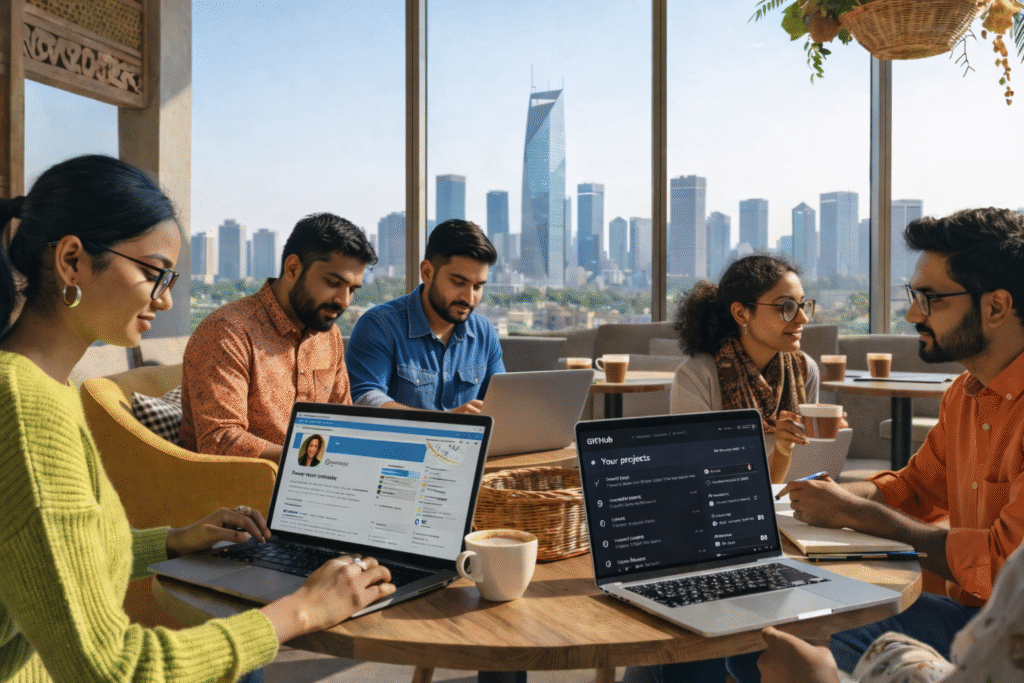
This isn’t some Western import—we Indians have always valued “reputation” (izzat, as they say). From family WhatsApp groups to matrimonial sites, our lives have been public in ways others can’t imagine. But in 2025’s job market, with UPI-level digital adoption, your online shadow is now a formal part of the process.
Our desi job hunt is intense: JEE/NEET pressure, campus placements at IITs/IIMs, or the Great Indian Resume Race on Naukri. Traditional networks (references from uncles or college seniors) still matter, but AI screening is changing the game for Tier-2/3 youth too. Heavy carb-loaded “study diets” of rote learning must evolve into smart digital habits. A simple 30-minute daily “personal brand window” (posting value on LinkedIn) fits our jugaad lifestyle perfectly. The trick? Balance authenticity with professionalism—share festival vibes or family achievements, but keep the rants private.
Real Stories: Triumphs and Tumbles
Let’s hear from those living it.
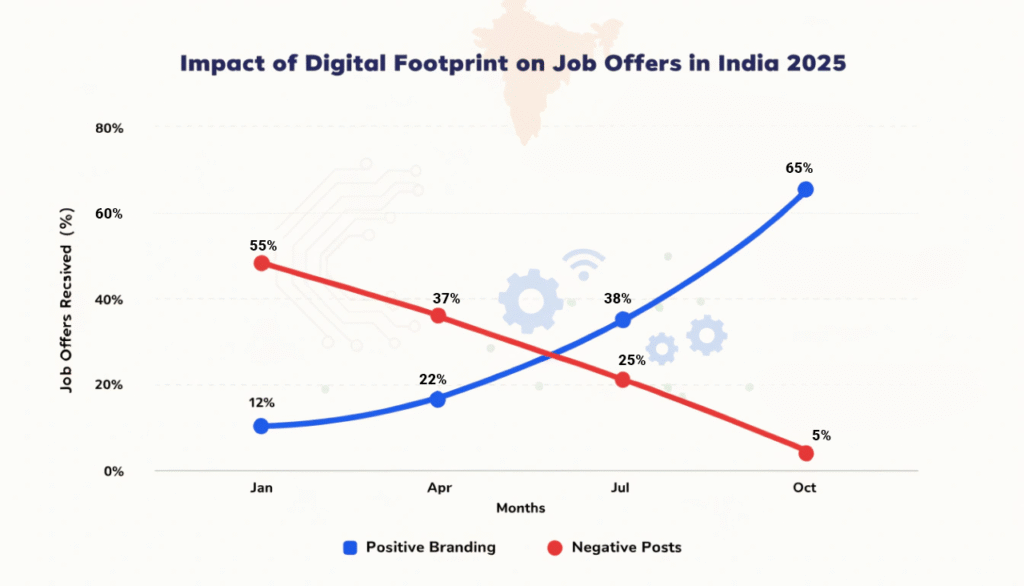
- Aarav, 24, Pune: A software engineer who ignored warnings and kept edgy memes on X. After three rejections (one company even cited “poor judgment” privately), he cleaned up and rebuilt. Six months later, a strong GitHub portfolio landed him a remote US client gig. “I thought only my code mattered—turns out my online vibe did too.”
- Rhea, 32, Bangalore: A content creator who turned her Instagram into a professional showcase of campaigns and tips. Recruiters reached out directly for a senior marketing role at an e-commerce giant. “My digital footprint became my biggest referral,” she beams.
These tales prove one thing: Your online presence isn’t optional. It’s your real CV—how you shape it decides the outcome.
Safe Strategies for Your Digital Footprint: Tips to Get It Right

Ready to audit and upgrade? Here’s how to protect and power up your invisible resume:
- Audit Ruthlessly: Google yourself weekly. Use tools like Have I Been Pwned or privacy checkers to see what’s public.
- Professionalize Key Platforms: Optimize LinkedIn headline, about section, and posts. For techies, keep GitHub active with READMEs and contributions.
- Privacy Settings First: Lock down personal accounts. Set Instagram/Facebook to private; use X lists for professional follows.
- Create Value Daily: Share industry insights, learnings, or desi twists (like “How Diwali campaigns boosted my brand”). Consistency builds authority.
- Monitor & Respond: Set Google Alerts. If negative stuff appears, address it professionally or request removal.
- Seek Guidance: Join LinkedIn groups or career webinars. Consult a mentor—your digital CV should reflect your best self.
Desi Hacks: Building a Strong Online Presence on a Budget
What you post (or don’t) can make or break opportunities. Here’s a practical Indian playbook:
- Morning Routine: 15 minutes on LinkedIn while sipping chai—comment thoughtfully on industry news.
- Free Tools: Canva for visuals, Notion for a personal site, free GitHub Pages as your digital CV.
- Group Power: Form WhatsApp study circles for peer reviews of profiles. Share “before-after” transformations.
- Monetize Smart: Turn strong profiles into freelance gigs on Upwork or Fiverr—many Indians earn extra via visible expertise.
- Avoid Pitfalls: Skip viral challenges that scream unprofessional. No drunk reels or boss-bashing.
Steer clear of “pay for followers” scams. Focus on genuine growth—nourish your brand, don’t fake it.
Wrapping It Up: To Post or Not to Post?
So, is your digital footprint the real CV in 2025? Absolutely—it’s no longer hidden. For some young Indians, it’s a career accelerator, unlocking doors through personal branding and proven value. For others, it’s a silent saboteur if left unchecked. The difference? Awareness, strategy, and a little desi smartness.
If this has you rethinking your online habits, start today. Audit one platform, post one valuable update, and watch the opportunities flow. The job market is tough, but you’re tougher—and more connected than ever. What’s your move? Audited your digital footprint lately? Drop your story or tips in the comments below—let’s swap notes, support each other, and build careers that shine both on paper and online!
You May Like This



Advertisement

You May Like This







Advertisement

Advertisement

Advertisement